Adaptive Learning Systems Reshaping How Participants Approach Strategy in Virtual Gaming Environments
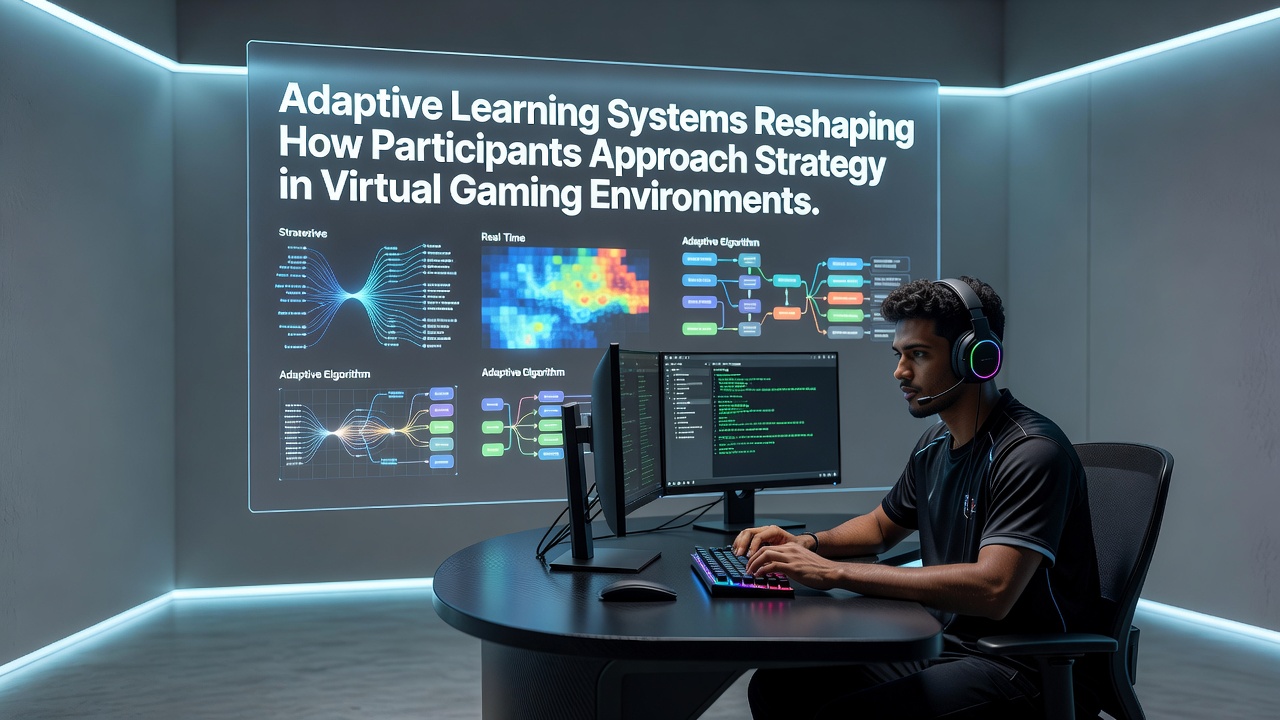
Adaptive learning systems have entered virtual gaming environments with algorithms that track player actions, analyze decision patterns, and modify game parameters in real time, and observers note that these tools now influence how participants develop strategies across multiplayer titles and simulation platforms. Research from industry reports indicates that such systems collect data on movement choices, resource allocation, and response times, then feed that information back into game mechanics to create personalized challenges, while data from the Entertainment Software Association shows adoption rates climbing steadily through 2025 and into mid-2026.
Mechanics Behind Adaptive Systems
These platforms rely on machine learning models that process inputs from thousands of sessions simultaneously, and developers integrate sensor data from controllers alongside in-game metrics to build profiles of individual play styles. When a participant favors aggressive tactics in one scenario, the system can introduce environmental variables that reward defensive positioning instead, creating loops where strategy evolves without manual intervention from designers. Academic studies published through Canadian research institutions have documented how these feedback mechanisms reduce repetition in player behavior and encourage experimentation with new approaches over repeated sessions.
Strategy Shifts Observed in Competitive Play
Participants in virtual environments equipped with adaptive layers report changes in preparation routines, as pre-match analysis now includes reviewing system-generated summaries of past performance rather than static replays alone. Teams competing in esports leagues adjust training regimens to account for dynamic difficulty scaling that responds to coordinated strategies, and figures from Newzoo tracking global gaming trends reveal that titles using these systems maintain higher retention rates during the first six months after launch. In July 2026 several major platforms updated their adaptive engines to incorporate cross-session memory, allowing adjustments to carry over between separate matches and further altering long-term planning habits among dedicated players.
Implementation Across Game Genres
Role-playing games apply adaptive learning to quest difficulty and companion AI behavior, whereas strategy titles modify unit availability based on detected player preferences for certain factions or map layouts. Racing simulations adjust track conditions and opponent aggression according to lap-time consistency data, and one case study from a European university project tracked participants over twelve weeks to measure how these modifications affected route selection and risk assessment during events. Observers note that sandbox environments benefit particularly because open-ended objectives allow the system to introduce scarcity or abundance of resources in ways that prompt fresh tactical decisions each time a player returns.
Player Response Patterns and Training Adjustments
Those who study virtual gaming communities have recorded shifts in how newcomers acquire skills, since adaptive systems provide immediate contextual feedback instead of requiring external guides or forums for every obstacle. Experienced participants often recalibrate their approaches after noticing that familiar exploits no longer produce consistent results once the algorithm identifies and counters them, and reports compiled by Australian gaming associations highlight measurable increases in session length when such personalization features remain active. Developers continue refining the balance between challenge and accessibility, ensuring that adaptation does not discourage newer users while still rewarding deeper strategic thinking.
Data Integration and Future Platform Updates
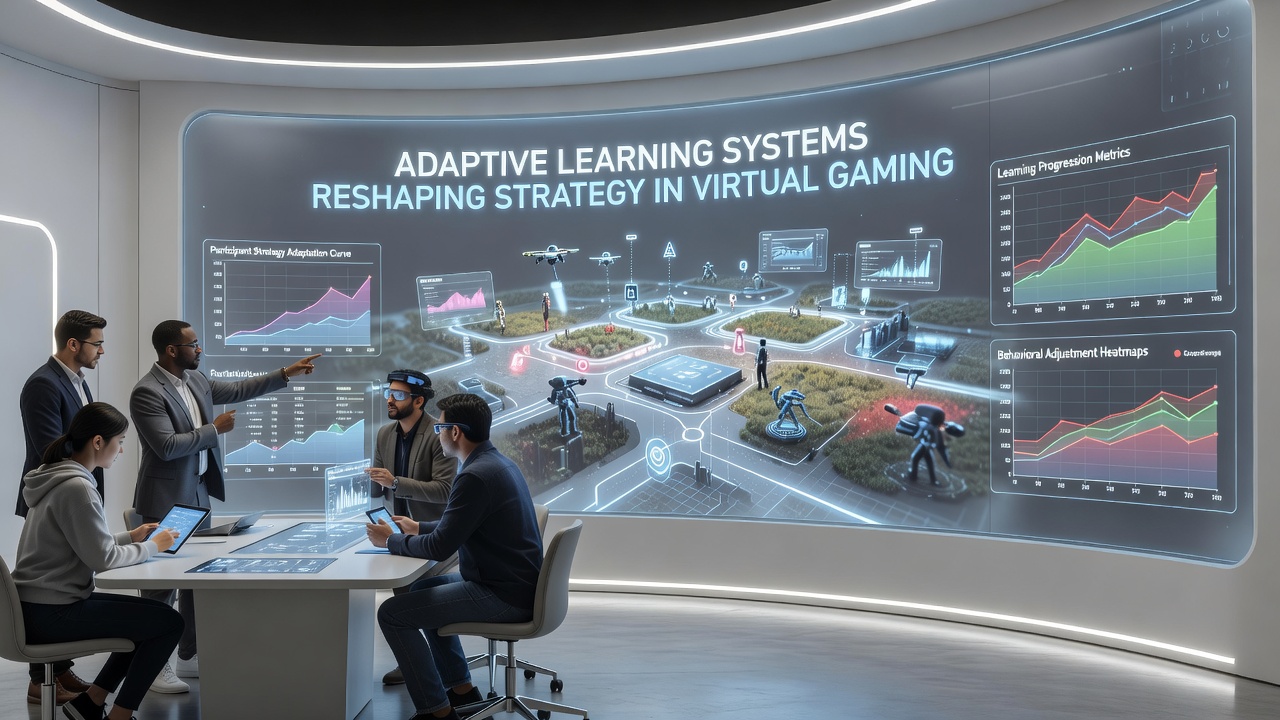
Integration with broader analytics dashboards now lets participants review heat maps of their decision trees alongside system recommendations for alternative paths, and regulatory bodies in several regions have begun examining how these tools handle player data under existing privacy frameworks. In July 2026 updates rolled out across multiple platforms introduced optional toggles for adaptive intensity levels, allowing users to choose between fully responsive modes and fixed-difficulty settings for specific practice scenarios. Research indicates that these options help maintain engagement across diverse skill brackets without forcing every session into the same adaptive pathway.
Conclusion
Adaptive learning systems continue to alter strategic thinking in virtual gaming by responding directly to observed behavior and reshaping available options over time. Data from multiple regions shows sustained interest from both casual and competitive participants, while platform updates scheduled through late 2026 suggest further refinement of personalization features. As these technologies mature, the relationship between player intent and game response grows more intertwined, creating environments where strategy development occurs through ongoing interaction rather than fixed rulesets alone.