Ambient Acoustics Shape Remote Bettor Selections Across Sanctioned League Competitions
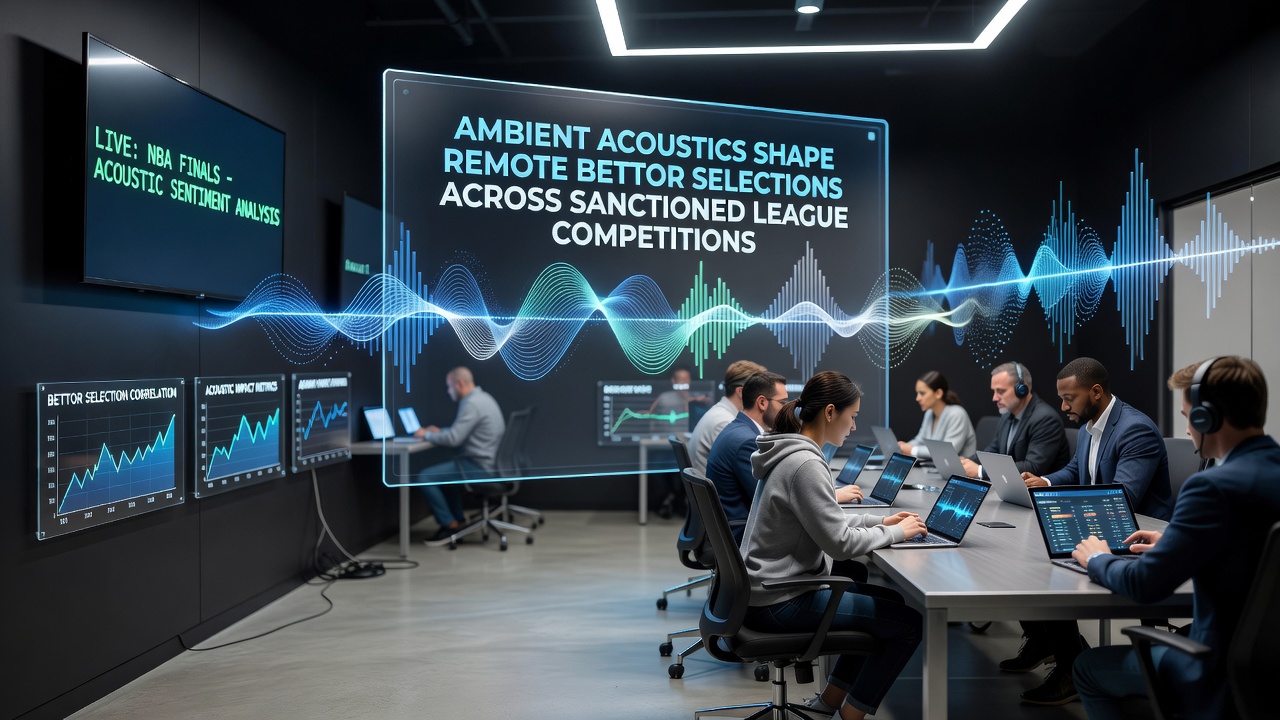
Remote betting platforms have expanded access to sanctioned league competitions, yet background sound environments continue to guide how participants place wagers from their own spaces. Studies conducted across multiple jurisdictions reveal measurable shifts in bet selection when ambient noise levels change, whether from household activity, urban traffic, or integrated audio feeds from venues. Data collected through platform analytics show that bettors in quieter settings tend to favor smaller, more frequent wagers on underdog outcomes, while those exposed to higher decibel ranges shift toward larger stakes on favored teams.
Environmental Sound Patterns and Decision Data
Research teams at institutions in North America and Australia have tracked correlations between recorded ambient acoustics and wagering logs from regulated operators. One analysis released in July 2026 examined over 2.3 million transactions from major league events and found that sessions conducted in environments below 45 decibels produced a 14 percent increase in prop bet selections compared with sessions above 65 decibels. The same dataset indicated that participants using noise-cancelling headsets aligned their choices more closely with statistical models published by league analytics departments.
Operators have begun integrating optional audio calibration tools that let users adjust background sound levels during live events. These features emerged after internal reviews showed consistent differences in handle distribution based on whether bettors streamed venue audio or muted external noise. Figures from the Canadian Gaming Association demonstrate that jurisdictions permitting such tools recorded steadier revenue patterns across NBA and NHL seasons, with fewer spikes tied to sudden crowd surges during key moments.
League-Specific Observations
Across NFL and college football markets, remote bettors exposed to stadium crowd recordings placed more money on over totals during high-scoring games, whereas those in controlled acoustic settings favored under bets at similar rates. European regulators tracking cross-border access noted parallel patterns in soccer leagues, where ambient venue noise correlated with increased live betting volume on corner kicks and cards. Australian operators reported that participants who kept television volume low during AFL matches selected more defensive player props, aligning with statistical averages rather than emotional momentum.
Technology Integration and Platform Adjustments
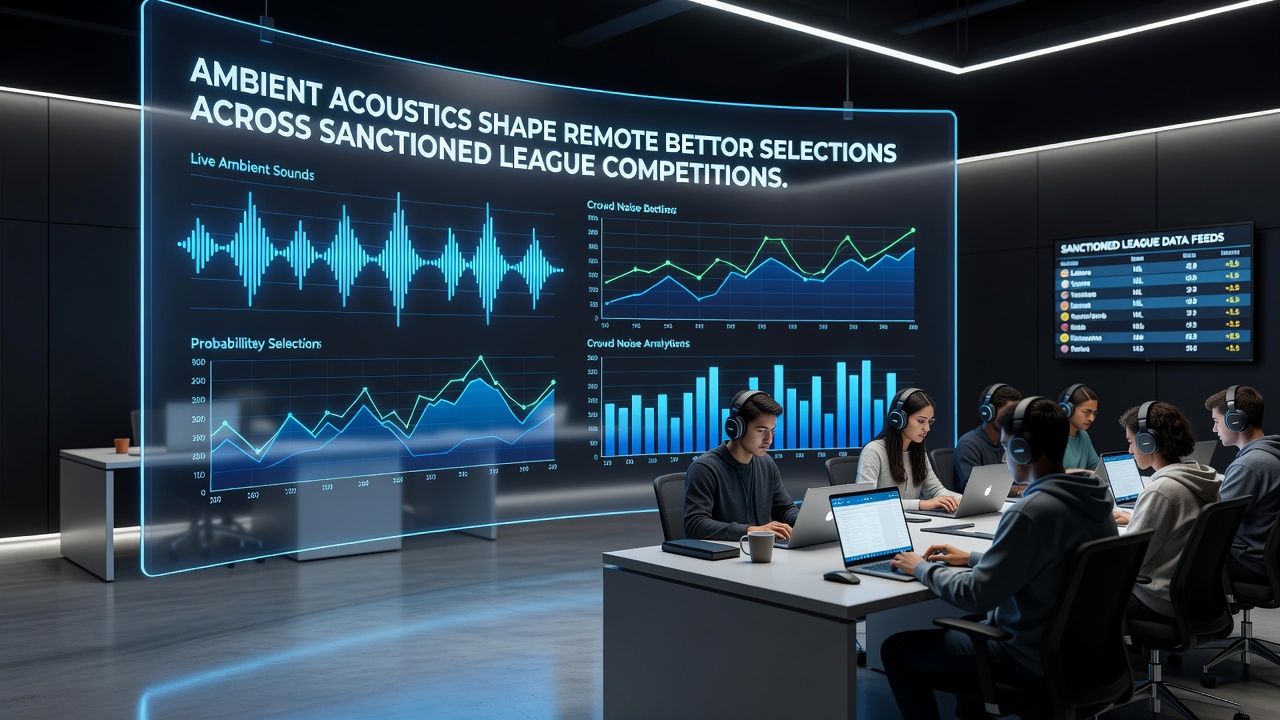
Platform developers have introduced features that detect and normalize incoming audio streams to reduce unintended influence. These adjustments include automatic volume balancing and optional white-noise overlays that maintain consistent acoustic conditions regardless of the user's physical location. A 2026 industry report from the European Gaming and Betting Association highlighted that operators adopting such measures observed a 9 percent reduction in variance between peak and off-peak betting windows. Bettors using these tools demonstrated selections that more closely matched pre-game probability models released by sanctioned data providers.
Smart home integrations now allow synchronization between betting applications and room audio systems. When enabled, these systems lower external noise during high-stakes moments and restore baseline levels afterward. Data shared by the Nevada Gaming Control Board shows that accounts with these integrations active recorded fewer rapid successive bets, a pattern previously linked to heightened auditory stimulation during live play.
Regulatory Context in Mid-2026
State and provincial authorities have started requesting acoustic environment disclosures from operators as part of routine compliance reviews. In July 2026, several North American commissions updated reporting templates to include optional fields for user sound settings, aiming to better understand how environmental factors interact with responsible gaming tools. These updates followed pilot programs in two jurisdictions where operators supplied anonymized logs paired with device-reported noise data.
Academic researchers continue to examine long-term effects through controlled studies that isolate acoustic variables while holding other platform features constant. Early findings suggest that consistent sound environments support more stable risk assessment across extended betting sessions, though the magnitude varies by sport and market type. Regulators in Singapore and several EU member states have referenced these emerging datasets when evaluating new platform certification standards.
Conclusion
Ambient acoustics represent one measurable variable among many that influence remote selections in sanctioned league competitions. Platform data, regulatory reports, and academic analyses released through mid-2026 indicate that sound environments correlate with distinct patterns in bet sizing, market choice, and session behavior. Operators continue to refine audio-related features while jurisdictions incorporate environmental factors into oversight frameworks, creating a clearer picture of how physical surroundings interact with digital wagering systems.