Banking on Security: How Verified Transaction Methods Influence Player Choices in Interactive Gaming Environments
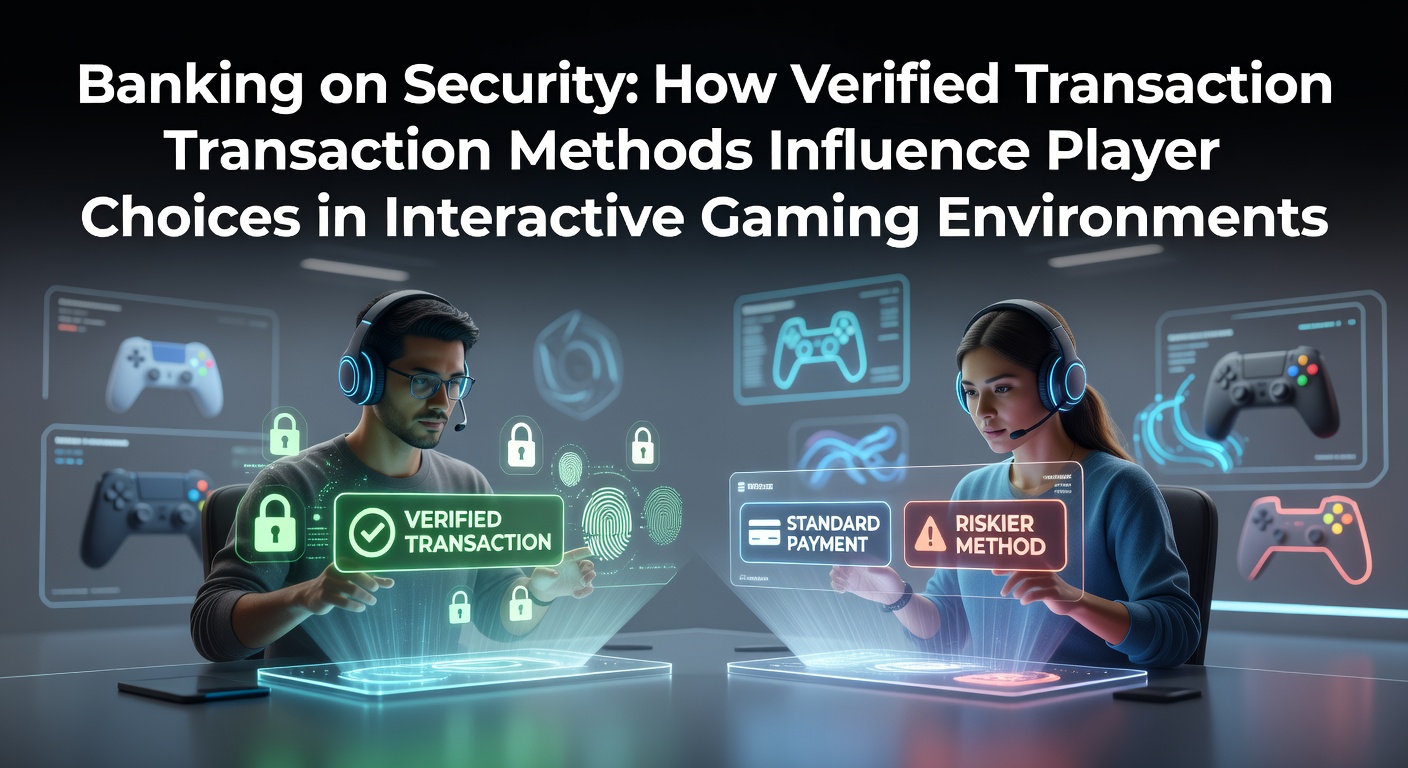
Verified transaction methods have become central to how players select and remain loyal to interactive gaming platforms, and data from industry reports in early 2026 shows rising adoption rates across multiple markets. These systems rely on encryption protocols, multi-factor authentication, and real-time verification layers that confirm both user identity and fund movement before any game session advances. Players often weigh these safeguards alongside deposit speed and withdrawal reliability when deciding where to place their activity, which turns security features into a practical decision factor rather than an afterthought.
Core Components of Verified Transaction Systems
Modern platforms integrate several verification layers that work together to reduce fraud exposure while maintaining seamless user flow. Biometric checks such as fingerprint or facial recognition pair with device fingerprinting and behavioral analytics to create layered confirmation steps, and these tools operate in the background for most users. Payment processors that support instant bank transfers or tokenized card details add another verification tier because each transaction carries a unique identifier that links back to the original account holder.
Research indicates that platforms using these combined methods report lower chargeback rates, which benefits operators through reduced processing fees and improved relationships with financial institutions. In May 2026, several North American operators expanded their partnerships with banks that offer embedded verification APIs, allowing transactions to clear within seconds rather than hours. This shift aligns with broader trends where gaming environments prioritize compliance with regional financial regulations that demand documented proof of funds origin.
Player Decision Patterns Across Regions
Observers note clear differences in how players in various jurisdictions respond to security enhancements. European markets, guided by frameworks from the Malta Gaming Authority, show higher uptake of e-wallet options that include built-in identity verification because these tools satisfy both gaming and financial oversight requirements at once. North American players, meanwhile, demonstrate stronger preference for methods that integrate directly with existing bank accounts, particularly when platforms highlight FDIC-style protections or equivalent safeguards on deposited funds.
One study from a Canadian research institute tracked user behavior over twelve months and found that sites advertising third-party security audits retained users at higher rates than those relying solely on internal claims. Players in that dataset frequently cited visible verification badges and real-time transaction receipts as reasons for switching platforms, even when competing sites offered larger welcome bonuses. Such patterns suggest that transparency around verification processes carries measurable weight in competitive markets.
What's interesting is how these choices play out during peak activity periods. During major sporting events or new game releases, transaction volume spikes and platforms with robust verification queues experience fewer interruptions, which keeps players engaged rather than redirecting them to competitors. Data collected through industry monitoring services shows that average session lengths increase when deposit confirmations occur without additional user input after the initial setup.
Impact on Deposit and Withdrawal Behaviors
Verified methods also shape how players manage their bankrolls over time. Faster, authenticated withdrawals encourage more frequent cash-outs because users trust that funds will reach their accounts without manual review delays. Conversely, platforms that still require repeated document uploads for each withdrawal see higher rates of abandoned balances, according to aggregated transaction logs shared by payment providers.
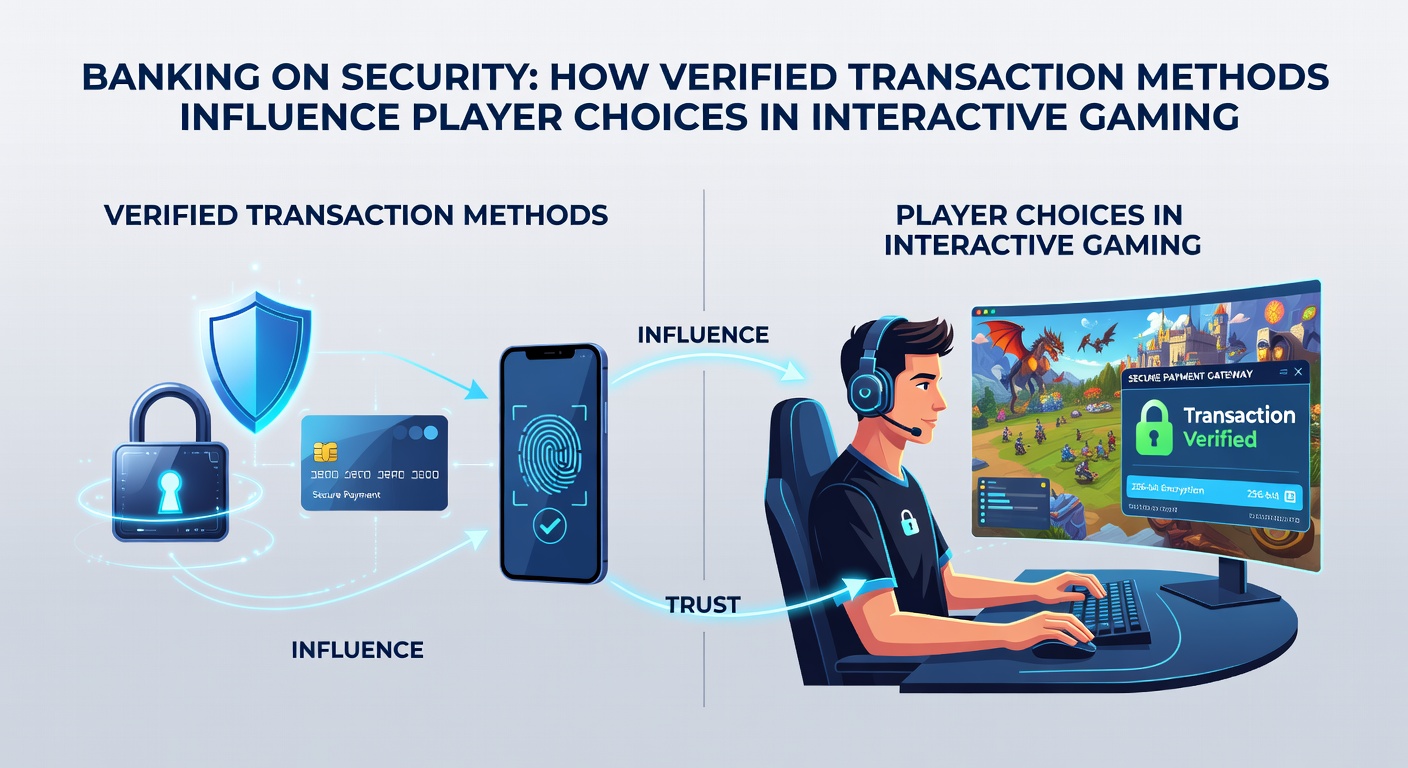
Payment method variety matters too. Users who link multiple verified options, such as a bank account and a digital wallet, tend to maintain higher average balances because they can move funds fluidly between gaming and personal accounts. Reports from the American Gaming Association highlight that this flexibility correlates with longer-term platform loyalty across both land-based and online segments.
Regulatory and Technological Context in 2026
By May 2026, updates to payment service directives in several jurisdictions have accelerated adoption of open banking standards that let gaming platforms pull verification data directly from financial institutions. These changes reduce the need for players to upload statements repeatedly, which streamlines onboarding while meeting anti-money laundering thresholds. Operators that adopted these standards early report measurable gains in new user conversion rates compared with those still using legacy manual checks.
Technological partnerships have expanded as well. Several platforms now work with cybersecurity firms that specialize in real-time fraud scoring tailored to gaming transaction patterns, and these collaborations allow operators to flag suspicious activity without pausing legitimate play. The result is a verification environment that feels responsive rather than restrictive to end users.
Conclusion
Verified transaction methods continue to steer player preferences in interactive gaming by delivering measurable improvements in security, speed, and convenience. As regulatory environments evolve and technology partnerships deepen, the connection between verification strength and user retention is likely to grow stronger. Platforms that present these features clearly and integrate them smoothly into daily play stand to capture greater market share as players become more discerning about where their funds travel.