Biometric Verification Trends Shaping Access to Licensed Athletic Wagering Platforms
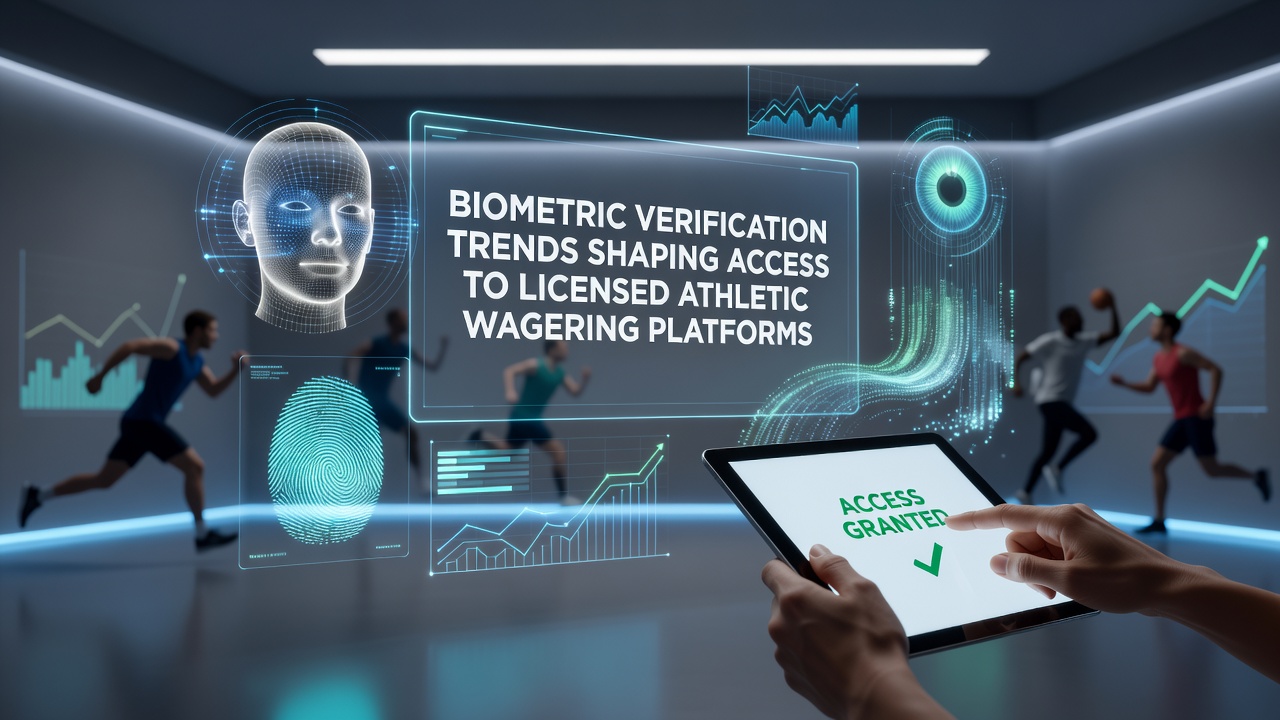
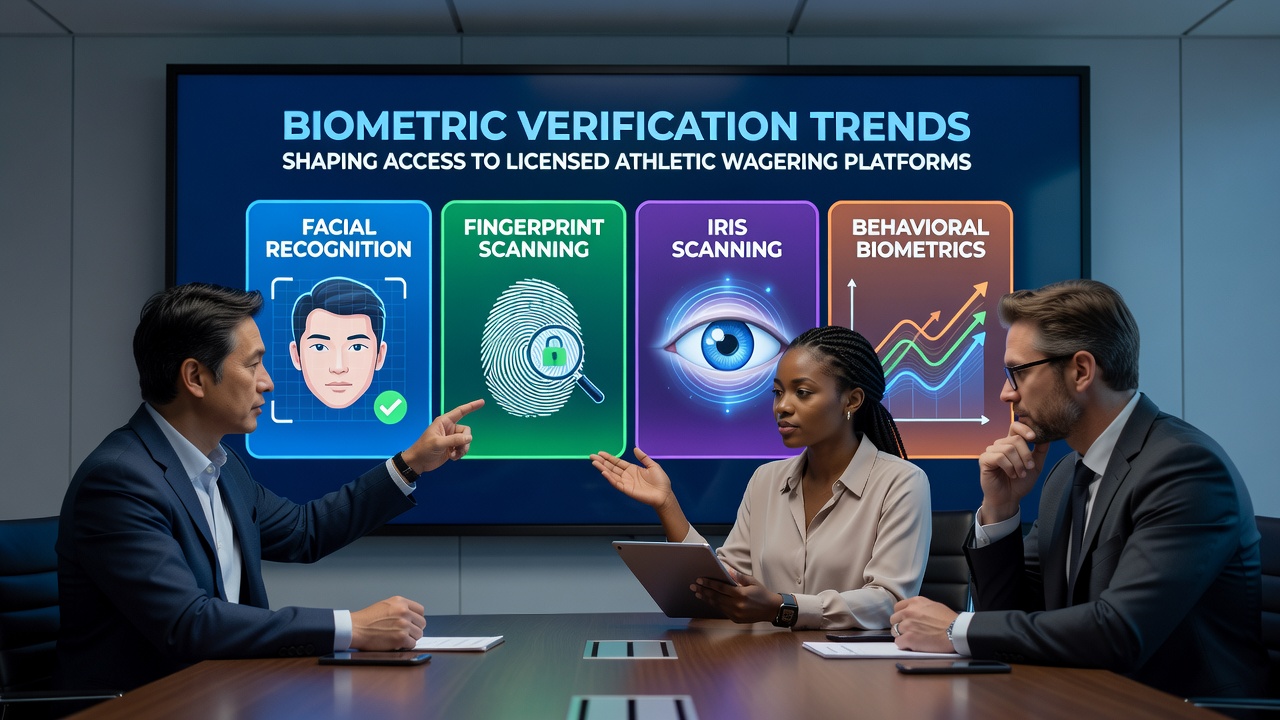
Biometric verification systems now play a central role in how licensed athletic wagering platforms confirm user identity and grant access to betting services across regulated markets. These technologies combine facial recognition, fingerprint scanning, and behavioral analysis to meet strict know-your-customer requirements while reducing fraud attempts that previously relied on stolen documents or shared accounts.
Platforms operating under state licenses in the United States have expanded biometric checks during account creation and periodic re-verification cycles, and similar patterns appear in Canadian provincial frameworks and Australian state regulations where operators must demonstrate compliance through auditable identity processes. Data collected by industry monitoring groups shows that adoption rates for multi-factor biometric entry rose sharply between 2024 and 2026 as mobile device capabilities improved and regulatory expectations clarified around remote verification standards.
Facial Recognition Leading Platform Integration
Facial recognition technology leads current implementations because most smartphones already contain the necessary hardware, which allows users to complete verification steps without additional equipment. Licensed operators integrate these systems so that a brief scan replaces lengthy document uploads, and the same process supports ongoing age confirmation required in jurisdictions that mandate periodic checks. One study released by a North American gaming research center found that facial systems cut average onboarding time by more than half compared with earlier manual review methods while maintaining accuracy thresholds demanded by regulators.
Behavioral biometrics add another layer by tracking typing patterns, swipe gestures, and device handling habits during live sessions, which helps flag account takeover attempts even after initial login succeeds. These passive measures operate continuously in the background without interrupting the user experience, and platforms report fewer instances of unauthorized access when both facial and behavioral signals align with established profiles.
Regulatory Milestones Around Mid-2026
June 2026 marks several compliance deadlines in multiple North American jurisdictions where updated verification protocols take effect for new and existing betting accounts. Regulators in these regions now require operators to demonstrate that biometric systems undergo regular testing against spoofing techniques such as deepfake videos and synthetic fingerprints. Platforms that meet these benchmarks receive expedited approval for feature rollouts, whereas those falling short face temporary restrictions on account growth until upgrades are validated.
International coordination has also increased, with data-sharing agreements between certain U.S. states and Canadian provinces allowing operators to reference prior biometric verifications when users cross borders within licensed networks. This approach reduces redundant scans for frequent travelers yet preserves each jurisdiction's authority over its own market participants.
Impact on User Access and Platform Operations
Users encounter fewer barriers when biometric verification replaces repeated password resets or manual document resubmissions, and operators gain clearer audit trails that satisfy both internal risk teams and external examiners. Licensed platforms report that successful first-time verification rates now exceed 90 percent in markets where facial systems have been optimized for varied lighting conditions and camera qualities. Those figures come from aggregated operator disclosures submitted to state gaming control boards.
Accessibility considerations have prompted some providers to maintain fallback options such as voice recognition or live agent video calls for individuals whose devices lack advanced sensors or who prefer not to use facial scanning. These alternatives still meet regulatory thresholds yet accommodate a broader range of user preferences without compromising security standards.
Technical Advances and Industry Data
Advances in sensor fusion allow platforms to combine data from multiple biometric sources in a single verification event, which raises the difficulty for bad actors attempting to bypass controls. According to reports published by the iGaming Ontario regulatory framework, operators using layered biometric methods experienced a measurable decline in chargeback rates tied to identity disputes during the first half of 2026. Similar observations appear in summaries released by the Australian Communications and Media Authority, which tracks verification performance across state-licensed wagering services.
Academic researchers examining large datasets from regulated environments have noted that biometric systems also support responsible gambling tools by linking verified accounts to self-exclusion lists and deposit limit settings. This connection strengthens enforcement because attempts to create duplicate profiles become harder when biometric markers are already tied to an existing record.
Conclusion
Biometric verification continues to evolve alongside device technology and regulatory expectations, reshaping how licensed athletic wagering platforms manage access while maintaining compliance. As June 2026 deadlines pass and additional jurisdictions refine their standards, operators will likely expand the range of supported biometric methods and refine integration with existing payment and loyalty systems. The result is a verification landscape that balances security demands with user convenience across expanding regulated markets.