Decoding How Cultural Traditions Shape Risk Preferences in International Athletic Event Markets

Researchers have long examined the ways cultural traditions intersect with risk preferences in athletic event markets, where betting on competitions like soccer tournaments and Olympic qualifiers reveals distinct patterns across regions. Data from international studies shows that societies with strong collectivist values tend to favor group-oriented strategies, whereas those emphasizing individual achievement display different tolerances for uncertainty in wagers placed on live events. In May 2026, as preparations intensify for upcoming global athletic gatherings, these dynamics continue to influence how participants approach markets tied to international fixtures.
Cultural Dimensions and Their Role in Athletic Wagering
Observers note that frameworks such as those developed through cross-cultural psychology help explain variations in how people evaluate risks during athletic competitions. High uncertainty avoidance cultures, often found in parts of Southern Europe and East Asia, correlate with preferences for structured betting options that limit exposure, according to analyses of transaction data from major event periods. In contrast, societies scoring lower on this dimension, including several in North America and Northern Europe, show higher engagement with variable odds tied to unpredictable athletic outcomes. These patterns emerge consistently in data compiled from platforms handling wagers on events like rugby internationals and basketball championships.
Traditions rooted in historical practices further shape these tendencies. For instance, communities with long-standing festivals centered around competitive games have developed norms that encourage measured participation in related markets, as evidenced by participation rates reported in regional economic surveys. One study from an Australian research institution highlighted how indigenous customs around communal decision-making translate into collective approaches to athletic event bets, reducing individual risk thresholds during high-stakes matches.
Regional Variations Across Global Markets
European athletic markets demonstrate clear divides based on cultural legacies, with data indicating that Mediterranean countries exhibit steadier patterns in risk aversion compared to Scandinavian counterparts during events such as handball leagues. Latin American traditions, influenced by vibrant carnival-style celebrations of sports, often align with more dynamic responses to fluctuating odds in soccer markets, per figures from industry reports. Asian contexts present additional layers, where Confucian-influenced emphasis on harmony leads to calculated selections in markets for events like badminton tournaments, while data from multiple seasons shows elevated activity in certain Southeast Asian hubs during peak competition windows.
What's interesting here is how migration and diaspora communities blend these influences, creating hybrid preferences observable in transnational betting volumes. Researchers tracking activity around May 2026 qualifiers noted increased cross-border flows that reflect blended cultural approaches to athletic risks, drawing from both ancestral norms and adopted local practices in host nations.
Data Patterns and Supporting Evidence
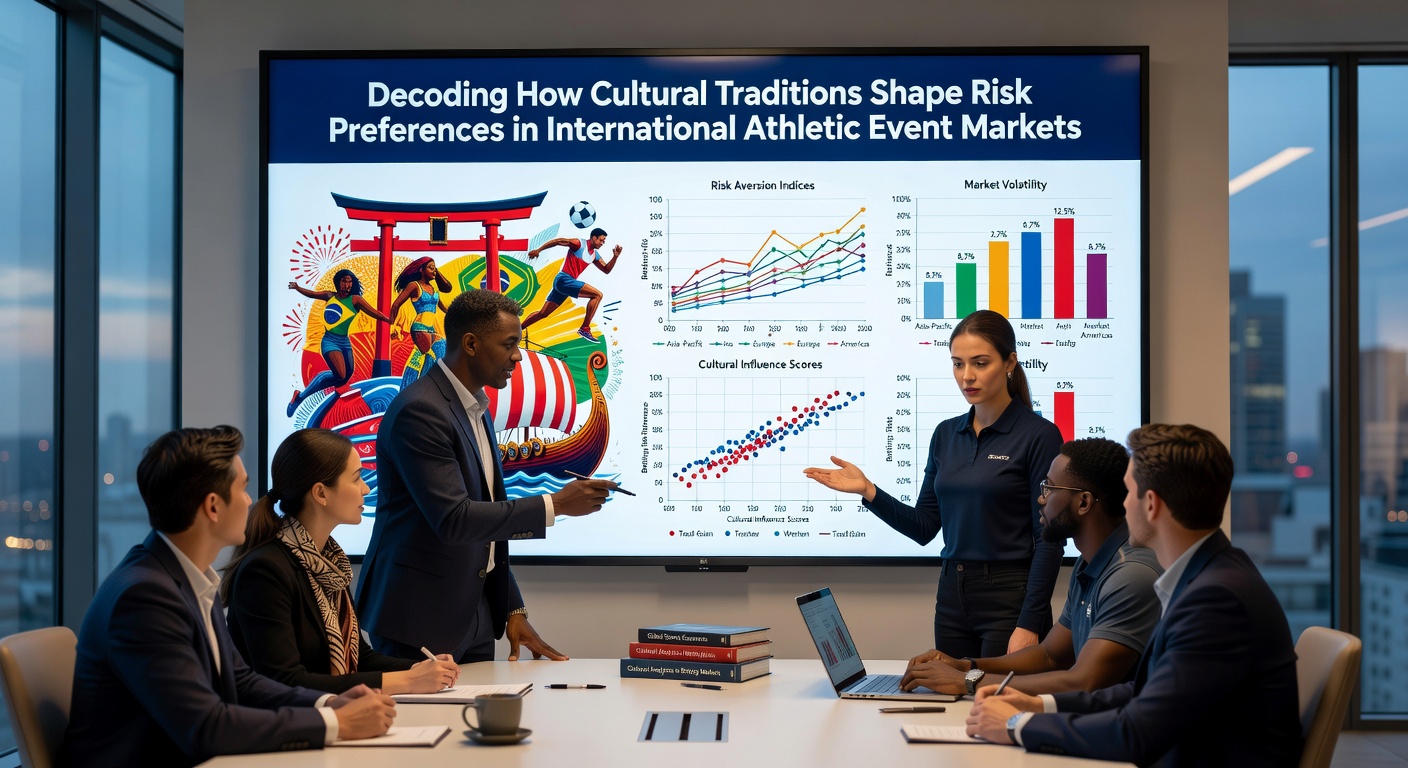
Figures from regulatory bodies in Canada and Australia reveal that cultural background accounts for measurable differences in average stake sizes and frequency during international athletic events. A collaborative report issued by gaming associations across multiple continents links these outcomes to longstanding traditions around luck, fate, and communal honor, which alter how participants interpret probability in live wagering scenarios. Evidence from university-led investigations in Brazil and South Korea further supports the observation that ritualistic elements in local sports culture amplify or dampen risk-seeking behaviors depending on the event's cultural resonance.
Turns out these influences extend to timing as well, with certain traditions dictating peak activity periods aligned with festivals or anniversaries that coincide with athletic calendars. Analysts reviewing transaction logs from early 2026 events found correlations between such cultural markers and shifts in market liquidity, particularly for underdog selections in team-based competitions. Government statistics from New Zealand's oversight agencies add context by showing how Maori heritage practices contribute to unique risk profiles in rugby-related markets compared to mainstream trends.
Implications for Market Operators and Participants
Market operators have responded to these cultural nuances by adapting offerings to align with regional traditions, as seen in customized promotions around major athletic gatherings. Data indicates that platforms incorporating localized elements experience steadier engagement from users whose preferences stem from inherited customs rather than purely economic calculations. In May 2026, with several international athletic events drawing global attention, these adaptations appear in real-time adjustments to odds structures that account for culturally driven betting clusters.
Those who've studied this know that academic papers published through European and Asian university networks provide ongoing insights into these interactions, often using longitudinal data to track changes amid evolving social norms. The reality is that athletic event markets serve as natural laboratories for observing how traditions persist or adapt under the pressures of modern wagering environments, with evidence accumulating from diverse sources including trade group analyses and cross-national surveys.
Conclusion
Cultural traditions continue to exert measurable influence on risk preferences within international athletic event markets, as documented through consistent patterns in global data sets and regional studies. From collectivist decision frameworks to ritual-based timing cues, these elements interact with athletic competitions in ways that shape participation across continents. As events unfold through 2026, the interplay remains a key factor for understanding market behaviors grounded in historical and societal contexts rather than isolated economic variables alone.