Demographic Shifts in Payment Preferences Among Mobile Users Engaging with Regulated Athletic Wagering Services
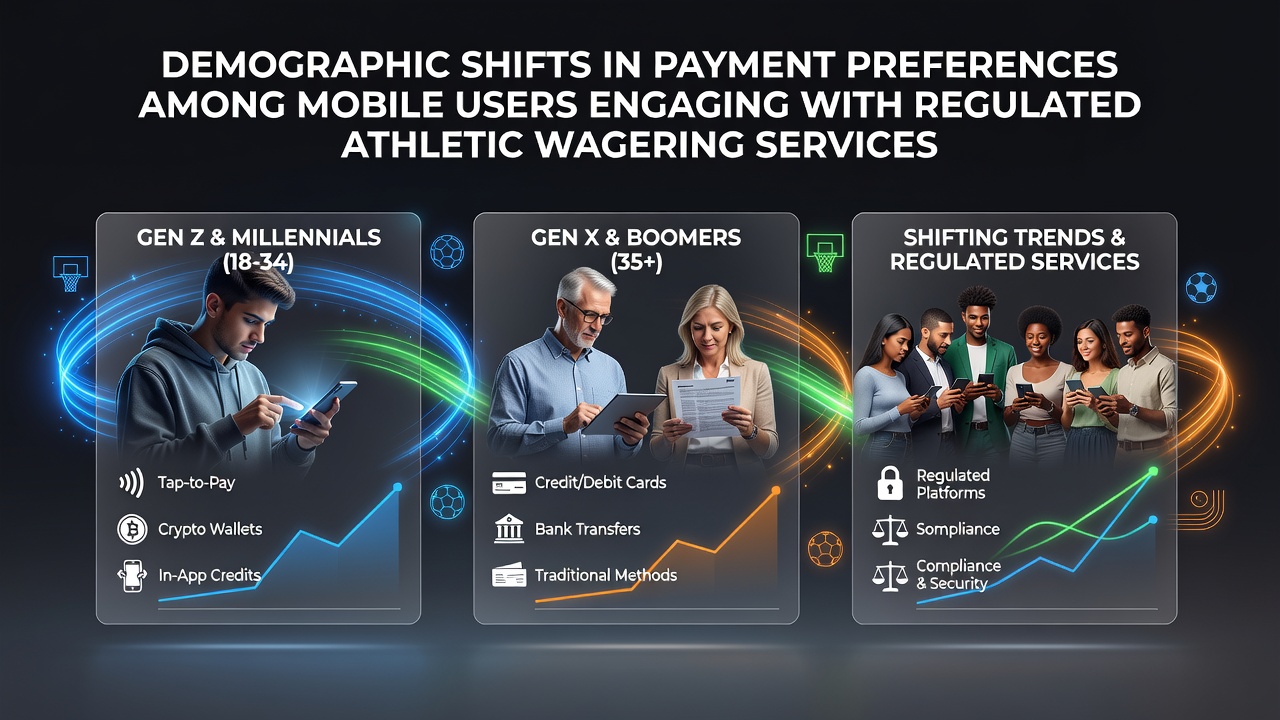
Payment preferences among mobile users of regulated athletic wagering services continue to evolve as demographic factors shape how different groups interact with deposit and withdrawal systems, and recent figures from multiple jurisdictions reveal distinct patterns tied to age, location, and technology access. Researchers tracking these changes note that younger cohorts lean toward instant digital options while older users maintain reliance on traditional banking channels, creating a segmented landscape that operators must navigate carefully amid ongoing regulatory updates.
Age-Related Patterns in Transaction Methods
Users aged 18 to 34 show strong adoption of e-wallets and mobile-specific payment apps when funding regulated sports betting accounts, with transaction data indicating these methods account for over 60 percent of deposits in several state markets. Studies from academic institutions highlight how this group values speed and integration with everyday apps, allowing seamless transfers that align with their higher frequency of smaller wagers during live events. In contrast, individuals over 45 demonstrate continued preference for direct bank transfers and credit cards, where verification processes provide a sense of security despite longer processing times, and industry reports confirm these users complete fewer but larger transactions on average.
Observers note that middle-aged demographics occupy a transitional space, blending both approaches depending on the platform's features, and data collected through 2025 into early 2026 suggests gradual shifts as security protocols improve across apps. Those who've analyzed user behavior in multiple regulated environments point out that familiarity with smartphone interfaces plays a larger role than income levels in determining which payment tools gain traction.
Geographic and Regulatory Influences on Choices
Regional differences emerge clearly when examining payment trends, particularly as states implement varied tax structures and licensing rules that affect available methods. In markets with mature frameworks like New Jersey and Pennsylvania, mobile users increasingly favor prepaid cards and verified digital wallets that comply with strict anti-money laundering requirements, while newer jurisdictions see slower uptake until education campaigns build trust. Canadian provinces offer another perspective, where the Alcohol and Gaming Commission of Ontario has documented rising use of Interac e-Transfers among its mobile betting population since legalization expansions.
What's interesting here is how regulatory timelines intersect with these preferences, and June 2026 deadlines for updated verification standards in several U.S. states are expected to accelerate adoption of biometric-linked payments. American Gaming Association figures reveal that compliance-focused options reduce friction for all age groups but particularly benefit users in urban areas with reliable internet access. Meanwhile, rural mobile bettors show steadier use of established credit options, reflecting infrastructure limitations rather than preference alone.
Technology Adoption and Platform Integration
Mobile operating systems and app store policies further drive these demographic movements, as updates to iOS and Android ecosystems streamline certain payment gateways while restricting others. Research indicates that users with newer devices integrate cryptocurrency wallets at higher rates where regulations permit, though this remains a smaller segment overall compared to traditional methods. Platform operators respond by offering customizable dashboards that highlight preferred tools based on user profiles, and case examples from operators in multiple regions demonstrate improved retention when such personalization appears.
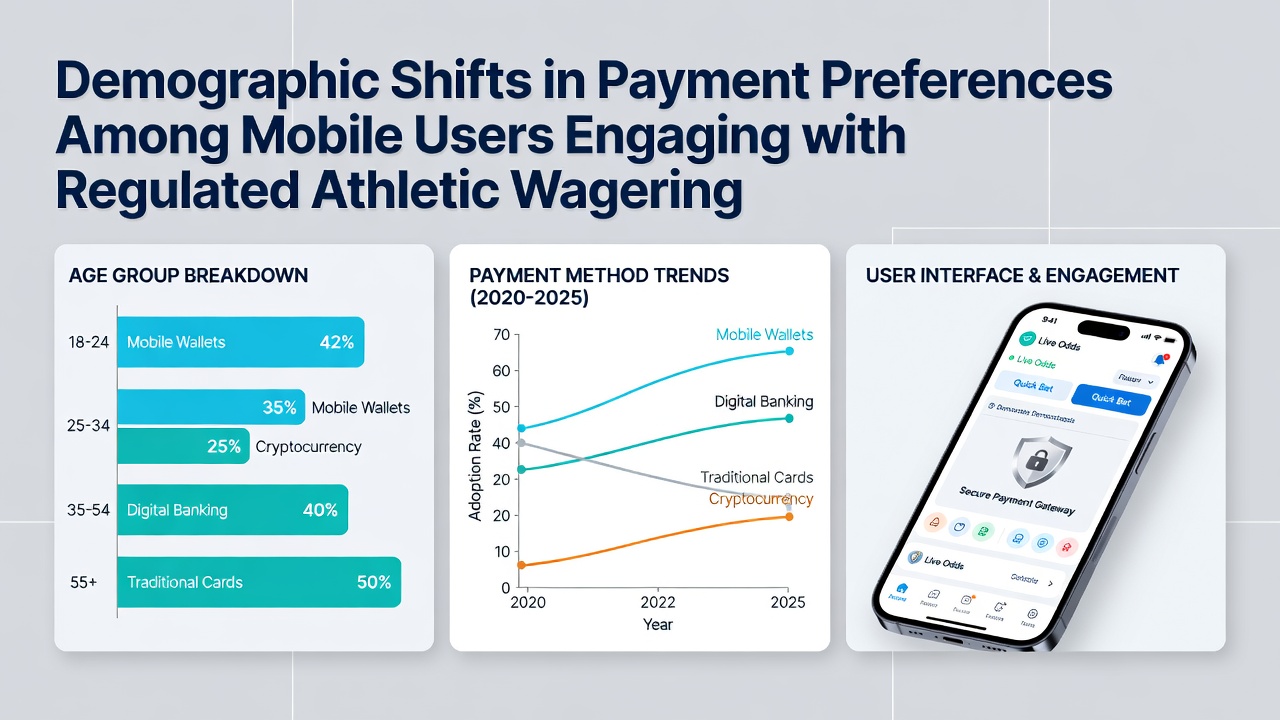
Those monitoring transaction volumes note that security features such as two-factor authentication have narrowed gaps between demographics, allowing older users to experiment with faster options without increased risk perception. Evidence from industry tracking shows that once users complete an initial successful transaction with a new method, repeat usage climbs sharply regardless of age bracket.
Emerging Data Points Through Mid-2026
Quarterly reports compiled across regulated markets point to steady growth in contactless and app-based payments, with shifts accelerating after policy adjustments scheduled for June 2026. Australian regulatory bodies tracking similar mobile wagering activities have recorded parallel movements toward integrated banking apps, suggesting broader international patterns influenced by global technology trends rather than isolated local factors. Users engaging with prediction markets and traditional sportsbooks alike display these preferences, though athletic event betting maintains higher overall volume in established U.S. states.
Analysts reviewing anonymized datasets find correlations between education levels and willingness to try newer payment solutions, while employment status shows weaker connections. This layered view helps explain why certain operators see uneven adoption curves even within the same metropolitan area.
Conclusion
Demographic factors continue to define payment preferences in regulated mobile athletic wagering, creating distinct clusters that reflect age, location, and device capabilities rather than uniform trends across all users. As June 2026 regulatory milestones approach, platforms that accommodate varied methods stand positioned to maintain engagement across groups, supported by ongoing data collection from government agencies and research organizations. These patterns underscore the need for flexible systems that evolve alongside user behaviors without assuming one-size-fits-all solutions.