How Fitness Tracking Apps Inform Timing Strategies for Promotional Incentives in Permitted Mobile Gaming Environments
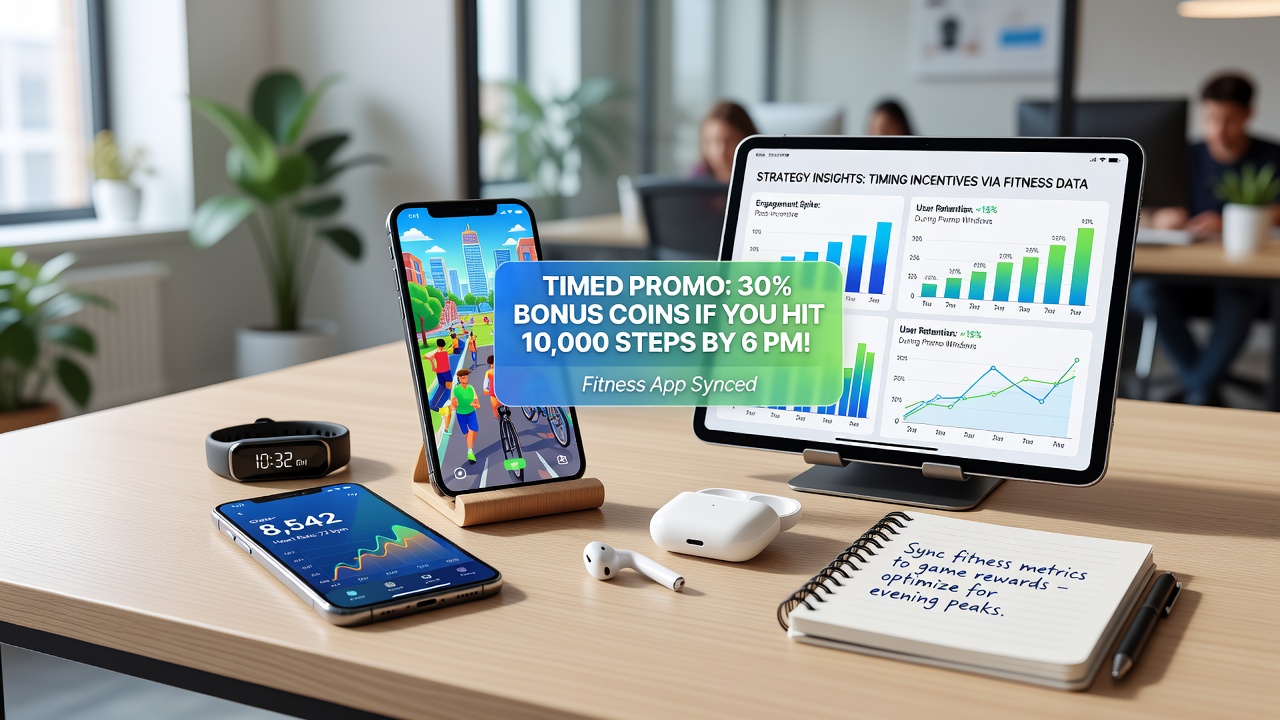
Permitted mobile gaming environments have started incorporating data streams from fitness tracking applications to refine when operators deliver promotional incentives such as deposit matches or bonus rounds. This approach relies on application programming interfaces that connect devices like smartwatches with gaming platforms while remaining within data protection rules that govern licensed operators in various jurisdictions.
Data Flows Between Wearables and Gaming Systems
Operators receive anonymized metrics including step counts, heart rate variability, and sleep duration through user-authorized connections to platforms such as Apple HealthKit or Google Fit. These inputs feed into algorithms that identify periods when physical activity levels align with higher session engagement in permitted apps. Research indicates that users with consistent daily movement patterns often log in during evening windows after completing workouts, which allows systems to schedule time-limited offers accordingly.
Integration occurs through secure data pipelines that strip personal identifiers before analysis begins. A report released by the American Gaming Association in early 2026 highlighted how several state-licensed platforms adopted these methods to comply with existing privacy statutes while testing incentive delivery based on activity thresholds. Observers note that the process avoids direct health record access and focuses solely on aggregated behavioral signals.
Pattern Recognition and Incentive Scheduling
Algorithms examine historical correlations between fitness data points and login frequency to determine optimal windows for pushing notifications about available promotions. For instance, data sets collected across multiple operators show elevated engagement when users report above-average sleep scores from the previous night. Platforms then adjust the release of free-to-play tokens or matched deposits to coincide with these windows rather than applying uniform distribution across all hours.
One study conducted by researchers at the University of Nevada Reno examined user cohorts in regulated markets and found measurable differences in play duration when incentives arrived after detected physical activity peaks. The analysis covered thousands of sessions and revealed that timing adjustments produced steadier retention metrics without increasing overall spend rates. Operators apply similar logic to weekend versus weekday patterns since fitness app data often reflects distinct routines tied to work schedules.
Implementation Examples Across Jurisdictions
In regions where mobile gaming operates under strict licensing, developers have deployed pilot programs that link fitness app permissions to loyalty dashboards. Users who grant access see personalized timing suggestions for claiming rewards, while the backend system withholds offers during low-activity periods identified through wearable metrics. Canadian provincial regulators reviewed such systems in mid-2026 and confirmed that the data handling met established standards for consent and minimization.
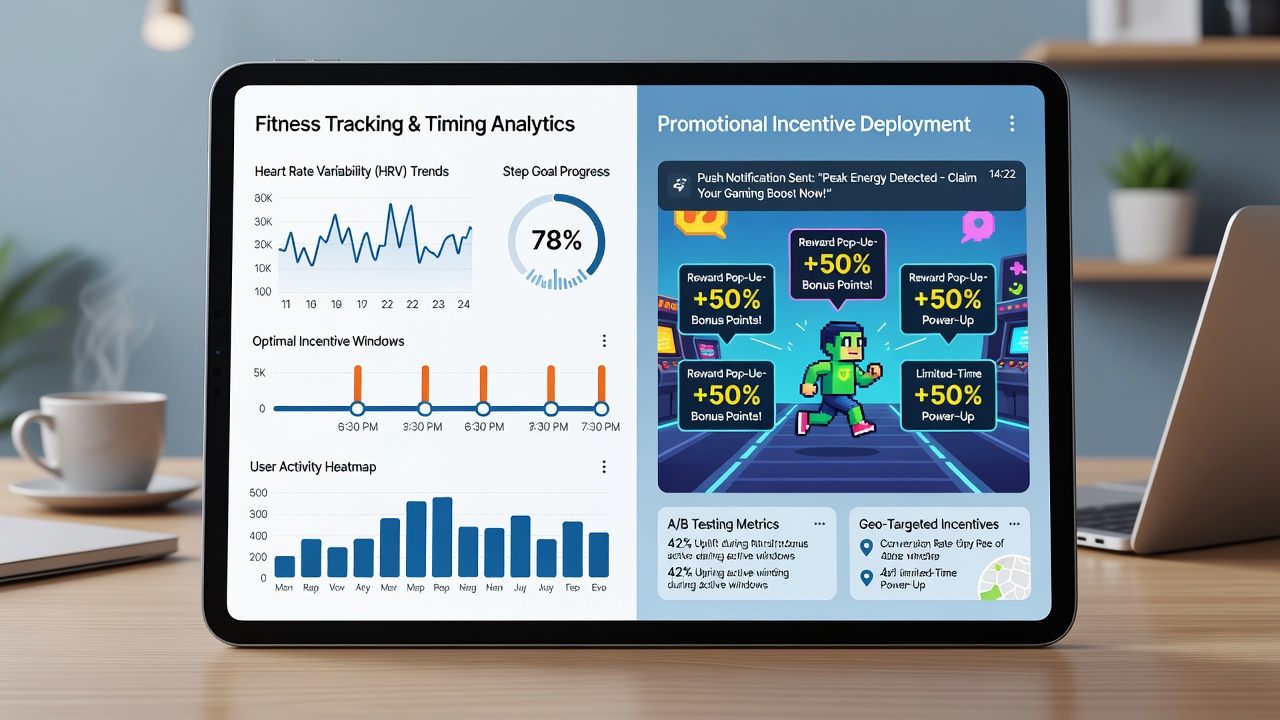
European operators following Malta Gaming Authority guidelines have explored parallel approaches that emphasize transparency reports for users. These reports detail which fitness variables influence promotion schedules and allow individuals to revoke access at any time. July 2026 saw several platforms publish updated compliance documentation after incorporating feedback from data protection authorities in multiple member states.
Privacy Controls and Regulatory Alignment
Permitted environments require explicit user consent before fitness data transfers begin, and operators must delete raw inputs after processing completes. Industry groups such as the International Association of Gaming Regulators have issued guidance documents that outline minimum encryption standards and audit requirements for these integrations. Data shows that platforms maintaining clear opt-out mechanisms experience lower complaint volumes related to unexpected notifications.
Cross-border operators face additional layers of review when fitness data crosses jurisdictions with differing health privacy laws. Legal teams coordinate with technical staff to ensure timing strategies remain compliant even when users travel between regulated markets. Figures released by state gaming control boards in 2026 indicate steady growth in the number of licensed apps offering optional fitness linkages.
Future Developments in Algorithm Refinement
Developers continue testing machine learning models that combine fitness signals with location and time-zone data to further narrow promotion windows. These models operate on anonymized aggregates rather than individual profiles, which aligns with requirements set by bodies overseeing permitted gaming activities. Early results from controlled deployments suggest improved alignment between incentive delivery and user availability without expanding marketing spend.
Training data for these systems draws from multi-year records maintained by fitness hardware manufacturers and gaming software providers under joint research agreements. The resulting timing strategies aim to reduce notification fatigue while maintaining compliance with advertising disclosure rules in each jurisdiction.
Conclusion
Fitness tracking integrations provide licensed mobile gaming operators with additional signals for scheduling promotional incentives within permitted environments. The methods rely on consented data flows, pattern analysis, and adherence to privacy regulations that continue evolving through 2026. Operators document these processes in public reports that regulatory authorities review on scheduled intervals, ensuring ongoing alignment with established standards across different regions.