How Sensor Fusion Techniques Refine In-Play Adjustments for Endurance Event Contracts
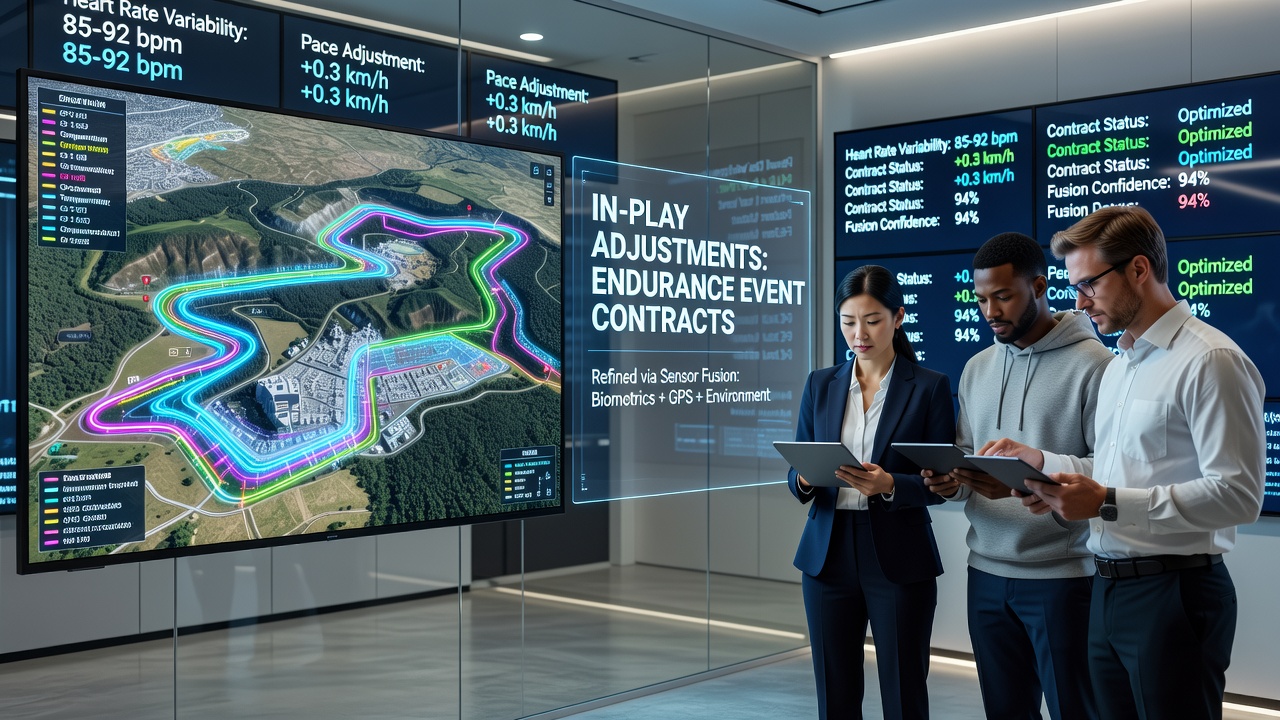
Endurance events such as marathons, ultra-cycling tours, and multi-day adventure races generate continuous streams of biometric and positional data that operators use to manage live contracts. Sensor fusion combines inputs from accelerometers, GPS modules, heart rate monitors, and gyroscopes into unified performance profiles. Researchers at institutions across Europe and North America have documented how these merged datasets allow platforms to recalibrate contract parameters mid-event without relying on single-source readings that often contain gaps or noise.
Core Components of Sensor Fusion in Athletic Monitoring
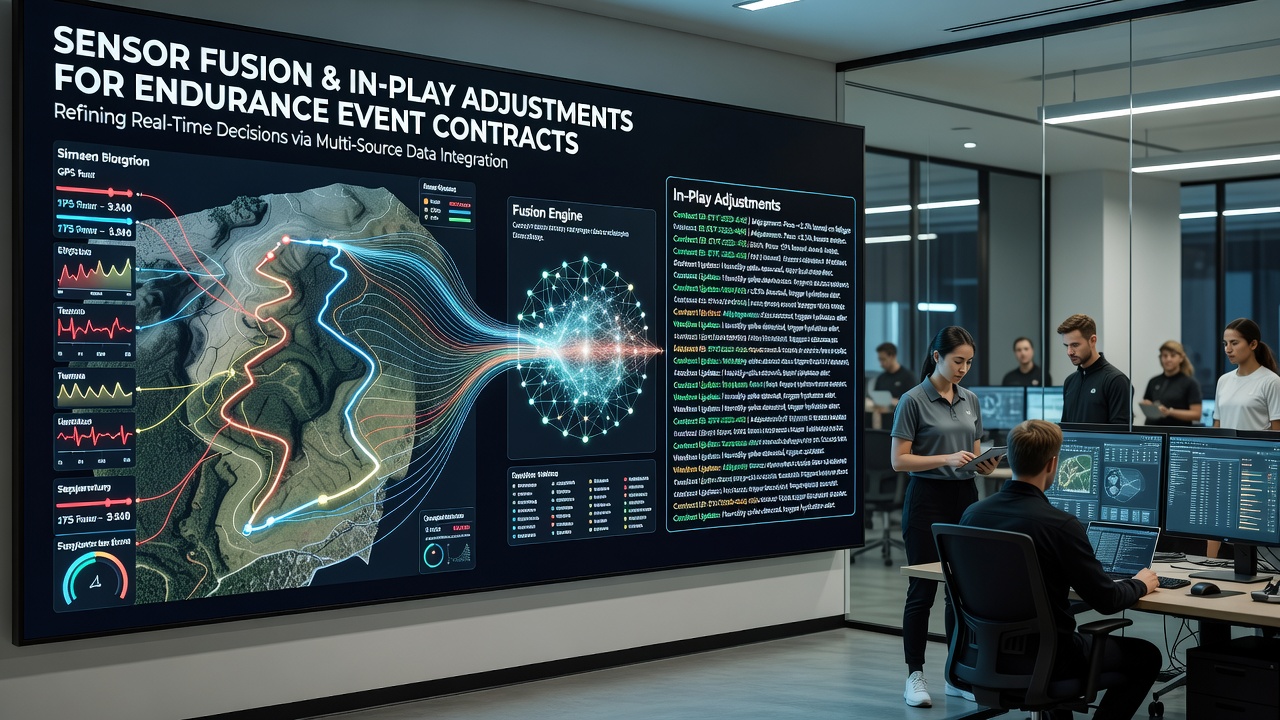
Multiple sensor types operate simultaneously on participants. Accelerometers track stride frequency and impact forces while GPS units provide location and pace metrics. Heart rate variability sensors add cardiovascular load information. Fusion algorithms apply Kalman filters and machine learning models to reconcile discrepancies between these channels. Data from a 2024 study conducted at the University of Melbourne showed that fused outputs reduced positional error by 37 percent compared with GPS alone during a 100-kilometer trail event.
Platform operators receive cleaned data streams that update every few seconds. This frequency supports rapid evaluation of whether an athlete maintains expected output levels. When fusion detects deviations, such as sudden heart rate spikes paired with reduced cadence, systems flag the change for contract adjustment protocols. Observers note that these adjustments occur faster than manual review processes could achieve.
Application to In-Play Contract Modifications
Endurance event contracts often include live settlement clauses tied to performance thresholds. Sensor fusion supplies the verification layer that determines if those thresholds remain valid. For instance, a contract might adjust payout structures if an athlete falls behind projected pace by a set margin. Merged sensor data confirms whether the slowdown stems from terrain changes, fatigue, or equipment issues rather than relying on potentially inaccurate single readings.
Operators integrate these techniques with weather and course mapping overlays. Fusion systems cross-reference athlete biometrics against environmental conditions to isolate true performance shifts. A Canadian research team published findings in early 2025 that demonstrated improved accuracy in live probability models when sensor fusion replaced isolated GPS feeds.
Regulatory Context and June 2026 Developments
Prediction market platforms that handle endurance contracts face evolving oversight frameworks. Discussions scheduled for June 2026 among North American and Australian regulators focus on data integrity standards for live adjustments. These talks examine how fused sensor inputs affect transparency requirements when contract terms shift during events. Platforms already operating under existing rules in several jurisdictions must demonstrate that their fusion methods meet audit criteria for accuracy and bias reduction.
Industry groups such as the International Association of Gaming Regulators have circulated draft guidelines that reference sensor fusion validation procedures. Participants in these events include representatives from multiple continents, ensuring regional perspectives shape final recommendations. Compliance timelines align with broader updates to event contract licensing that take effect later in 2026.
Technical Implementation Examples
One documented case involved a European ultra-marathon series that adopted multi-sensor vests for all elite competitors. The system fused data at the edge before transmitting summaries to central servers. Operators reported fewer disputes over mid-race contract settlements because fused metrics provided clearer evidence of performance changes. Similar setups appear in Australian outback cycling events where remote terrain increases the value of redundant sensor channels.
Academic papers from the Technical University of Denmark detail fusion architectures that incorporate barometric pressure sensors alongside motion data. These additions help differentiate elevation gains from actual effort levels. When integrated into contract platforms, the refined data supports more granular in-play triggers without increasing false adjustment rates.
Future Integration Pathways
Developments in edge computing continue to shorten the interval between data capture and contract response. Several operators now test 5G-enabled fusion nodes that process athlete streams locally before feeding results into betting engines. This architecture limits latency issues that previously delayed adjustments during long-duration events. Research continues into incorporating additional modalities such as electromyography while maintaining computational efficiency for real-time use.
Conclusion
Sensor fusion techniques supply endurance event contract platforms with higher-resolution performance data that supports timely and verifiable in-play adjustments. Continued refinement of algorithms alongside regulatory discussions planned for June 2026 will shape how these methods expand across additional event types and jurisdictions. Platforms that document fusion accuracy and maintain audit trails position themselves to meet emerging standards while delivering precise contract management.