How Wearable Technology Data Streams Are Influencing In-Game Decision Making for Live Athletic Wagers
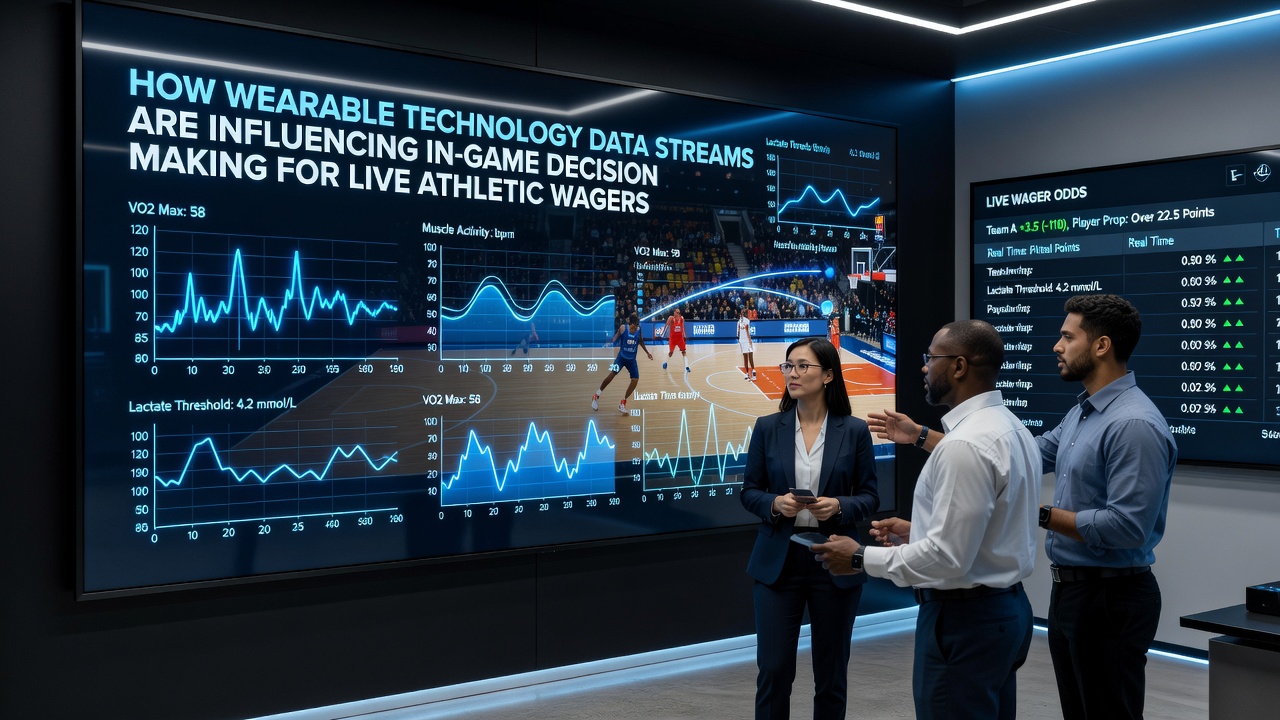
Professional athletes now generate continuous biometric information through devices that track heart rate variability, acceleration patterns, and muscle oxygen levels during competition, and these streams reach betting platforms in real time. Operators integrate the feeds with existing odds engines, which allows adjustments to live wagers on player performance metrics such as total yards, points scored, or minutes played. Research from sports science laboratories shows that sudden drops in a quarterback's average sprint speed correlate with reduced passing efficiency in subsequent drives, prompting bettors who monitor the same data to shift wagers toward opposing defenses.
Data Integration Pathways
Leagues and device manufacturers transmit encrypted packets from on-field sensors to cloud servers every few seconds, after which licensed data aggregators repackage the metrics for distribution to sportsbooks. In June 2026 several state gaming commissions began requiring operators to log the exact timestamps when wearable-derived statistics alter in-game lines, a step that creates auditable trails for both regulators and bettors. The process relies on application programming interfaces that pull heart-rate zones and GPS coordinates directly into the same dashboards used for prop-bet settlement, reducing the lag between on-field events and odds movement from minutes to seconds.
Player Fatigue Indicators and Prop Markets
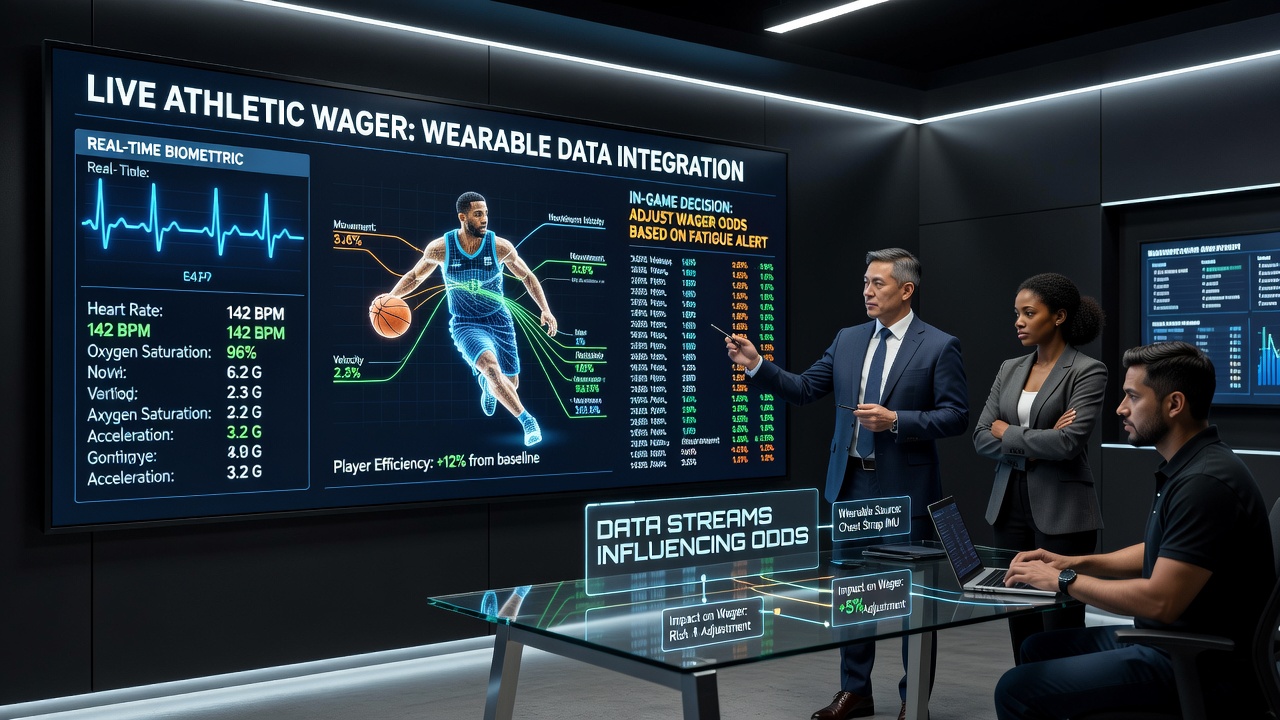
Accelerometer data reveals cumulative workload through high-intensity efforts, and algorithms convert those counts into fatigue scores that appear alongside traditional statistics. Bettors who follow these scores have adjusted wagers on over-under totals for individual player rebounds or tackles once the metric crosses thresholds identified in prior seasons. One study conducted by exercise physiologists at an Australian university documented that athletes whose fatigue scores exceeded 85 percent of their season baseline recorded 12 percent fewer successful defensive plays in the final quarter, information now visible to platform users during live events.
Coaches and medical staff already rely on similar thresholds to manage substitutions, yet the same numbers now circulate outside locker rooms. Sportsbooks that receive anonymized aggregates from multiple teams can detect league-wide trends, such as increased injury risk after back-to-back high-workload games, and they adjust live betting menus accordingly without disclosing individual player identities.
Regulatory Developments and Market Response
By early June 2026 the National Council on Problem Gambling had issued guidance urging operators to label any wager that incorporates biometric inputs so users understand the data sources involved. Several Canadian provincial regulators followed with similar disclosure rules, requiring pop-up notices when fatigue or acceleration metrics influence available lines. These measures emerged after reports indicated that rapid line movements based on wearable streams sometimes outpaced public information, creating uneven access for casual participants.
Industry groups such as the European Gaming and Betting Association published technical standards in spring 2026 that outline minimum latency requirements for biometric feeds, ensuring that all licensed books receive updates within the same window. Compliance with those standards has allowed platforms to expand in-game offerings to include micro-props on metrics like maximum heart rate reached during a shift or total distance covered by a midfielder.
Observed Patterns in Live Wagering Behavior
Transaction logs examined by academic researchers show clusters of bets placed immediately after visible changes in a player's movement profile, particularly in basketball and soccer where substitution patterns align closely with biometric alerts. Data from the 2025-2026 seasons indicates that prop markets on player assists adjusted downward within 90 seconds of a detected drop in average acceleration for star guards, a timeframe shorter than traditional scouting reports could provide. Bettors who subscribe to third-party analytics services receive push notifications tied to these thresholds, enabling rapid repositioning of wagers across multiple games simultaneously.
Bookmakers counterbalance the new information streams by widening margins on certain player props when wearable volatility exceeds historical norms, a practice documented in filings submitted to state regulators during the first quarter of 2026. The adjustments maintain house edges while still permitting markets to reflect updated physical-condition data.
Conclusion
Wearable technology data streams have become embedded in the infrastructure that supports live athletic wagering, supplying continuous updates on player workload, fatigue, and movement efficiency that directly shape available lines and settlement outcomes. Regulatory bodies in multiple jurisdictions responded during June 2026 by tightening disclosure and latency requirements, while operators refined their systems to incorporate the new inputs without compromising market integrity. The resulting environment delivers more granular betting opportunities grounded in objective physical measurements, and the same measurements continue to evolve as sensor accuracy and transmission speeds improve across professional leagues.