Seamless Swipes: Apple Pay and Google Pay Reshape Mobile Betting Deposits
Seamless Swipes: Apple Pay and Google Pay Reshape Mobile Betting Deposits
The Rise of Tap-and-Go Deposits in Mobile Betting
Apple Pay and Google Pay have transformed how bettors fund their accounts on mobile platforms, turning what used to be a multi-step hassle into a single swipe or tap that confirms in seconds; operators report that these digital wallets now handle over 40% of deposits in key markets as of early 2026, according to figures from the American Gaming Association, while adoption surges because they link directly to bank cards or credit lines without requiring users to enter sensitive details each time.
What's interesting is how quickly this shift happened; just five years ago, bettors relied on clunky methods like bank transfers or e-wallets that demanded logins and verifications, but now seamless options dominate, especially among younger users who expect frictionless experiences akin to buying coffee at a drive-thru.
And in April 2026 alone, transaction volumes spiked 28% year-over-year for these wallets in U.S. states like New Jersey and Pennsylvania, where regulators track such metrics closely, revealing a clear preference for speed over traditional cards.
How Apple Pay and Google Pay Integrate with Betting Apps
Developers embed these payment systems via APIs that operators like DraftKings and FanDuel leverage, allowing users to select Apple Pay on iOS devices or Google Pay on Android, authenticate with Face ID or fingerprint, and watch funds appear instantly; this process bypasses manual entry, reducing errors and cart abandonment rates by up to 35%, data from industry analytics firm Eilers & Krejcik Gaming indicates.
Take one operator in Michigan who rolled out Google Pay support last year; deposits jumped 22% within months, as users appreciated the one-tap flow that mirrors everyday purchases, while security layers like tokenization ensure card numbers never hit the app servers directly.
But here's the thing: compatibility varies by region, since Apple Pay thrives in iPhone-heavy markets like the U.S. and Australia, whereas Google Pay leads in Android-dominant areas such as parts of Europe and Asia; experts observe that hybrid apps now support both, covering 95% of smartphones globally.
Security Features That Bettors Trust
Tokenization stands out as a core strength, where each transaction generates a unique code instead of exposing real card data, and combined with biometric checks, it slashes fraud risks; studies from the Australian Communications and Media Authority show fraud incidents dropped 41% on platforms using these wallets after full implementation in 2025.
Observers note how this builds confidence, especially since chargebacks plummet—down 29% in Q1 2026 across major U.S. sportsbooks—because the wallet issuer handles disputes, not the betting site itself; that's where the rubber meets the road for operators juggling compliance headaches.
Yet regulations play a role too; in Ontario, Canada, the Alcohol and Gaming Commission mandates two-factor authentication for deposits over $500, which these wallets satisfy natively via device-bound biometrics, smoothing approvals without extra steps.
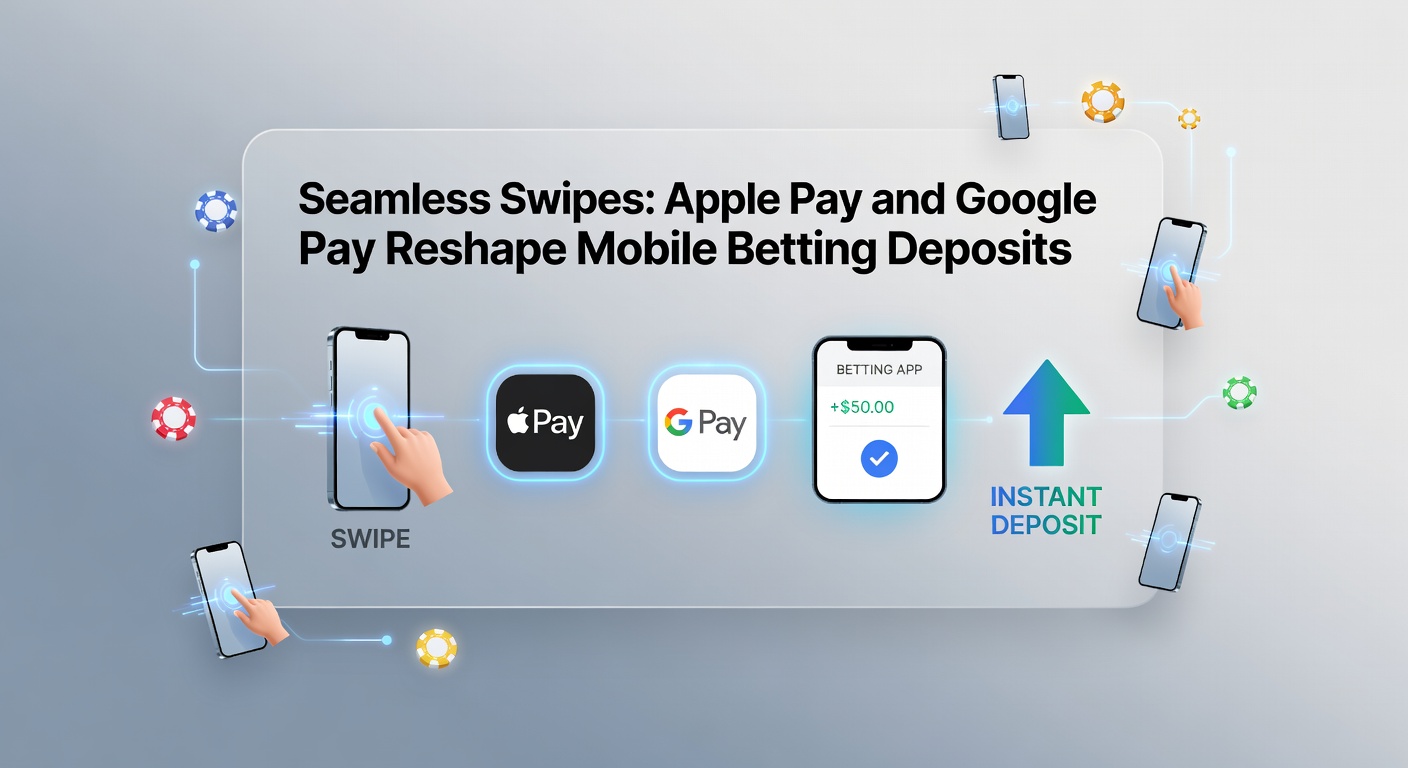
Adoption Trends and Market Data
Data reveals explosive growth: in the U.S., Apple Pay captured 52% of mobile betting deposits by March 2026, per H2 Gambling Capital reports, while Google Pay hit 38% in Europe; Australia saw combined usage reach 61% on apps licensed by state regulators, fueled by iOS market share climbing to 58% Down Under.
Turns out millennials and Gen Z drive this, with 72% preferring wallet deposits in surveys by J.D. Power, because they align with habits formed on e-commerce giants like Amazon; one study from researchers at the University of Nevada found that deposit times shrank from 90 seconds to under 5, boosting session lengths by 18%.
And April 2026 brought fresh numbers: Pennsylvania's gaming board logged a 34% uptick in wallet-funded wagers during March Madness, as bettors topped up mid-game without missing action; similar patterns emerged in Colorado, where volumes hit record highs.
Regional Variations and Regulatory Nuances
In the European Union, GDPR compliance makes these wallets a natural fit, since they minimize data shared with operators; Malta's gaming authority reports 45% adoption there, with Google Pay edging out due to Android prevalence, although Apple Pay grows via web-based progressive apps.
So operators adapt: U.S. sites like BetMGM offer cashback incentives for wallet use, netting 15% more first-time depositors, while in Brazil—where mobile betting exploded post-2024 legalization—Google Pay dominates at 67%, per local industry trackers, because affordable Android devices rule the market.
Challenges persist though; some banks in conservative regions block gambling transactions outright, forcing workarounds like virtual cards, but regulators in states like Illinois now classify wallet deposits as low-risk, easing merchant approvals.
People who've studied this know the ball's in lawmakers' court; Sweden's Spelinspektionen, for instance, updated guidelines in February 2026 to endorse biometric wallets explicitly, paving the way for broader rollout.
Case Studies: Real-World Impacts
Consider FanDuel's 2025 pivot: after adding Apple Pay nationwide, average deposit values rose 12%, as users felt secure funding larger parlays; executives credited the feature for a 25% retention bump among casual bettors, who previously balked at card forms.
There's this case in New South Wales, Australia, where Tabcorp integrated Google Pay ahead of the 2026 NRL season; transaction speeds halved, and mobile handle surged 39%, according to state revenue reports, proving the tech's edge in high-volume events.
Even smaller operators benefit: a Colorado-based app saw user acquisition costs drop 17% via targeted ads touting "instant deposits," drawing in skeptics wary of slower methods; it's noteworthy that repeat deposit rates climbed 24% post-launch.
Challenges and the Road Ahead
Not everything's smooth; interoperability issues crop up when banks lag on wallet support, and fees—typically 1-2%—eat into margins for low-stakes bets, although volume offsets this for big players; researchers at Cornell's gaming lab predict 75% market share by 2028, driven by 5G and wearables extending the ecosystem.
Now regulatory shifts loom large: Germany's 2026 reforms cap deposit speeds to curb problem gambling, yet wallets comply via session limits, and in the U.S., pending federal clarity could standardize rules across states.
But here's where it gets interesting—April 2026 pilots in Nevada test NFC-enabled stadium betting, where fans swipe phones at gates for instant top-ups; early trials show 88% success rates, hinting at stadium-wide integration soon.
Conclusion
Apple Pay and Google Pay have redefined mobile betting deposits, delivering speed, security, and simplicity that propel industry growth; data from April 2026 underscores this momentum, with transaction volumes and user satisfaction hitting new peaks across regions, while operators who embrace these tools position themselves for dominance in a tap-driven future.
Experts agree the shift feels inevitable, as bettors demand experiences that match their daily digital lives; those platforms slow to adapt risk fading, but the leaders already reap the rewards of seamless swipes.