Tracing Player Loyalty Metrics Through Tiered Reward Systems in Regulated Digital Gaming Jurisdictions
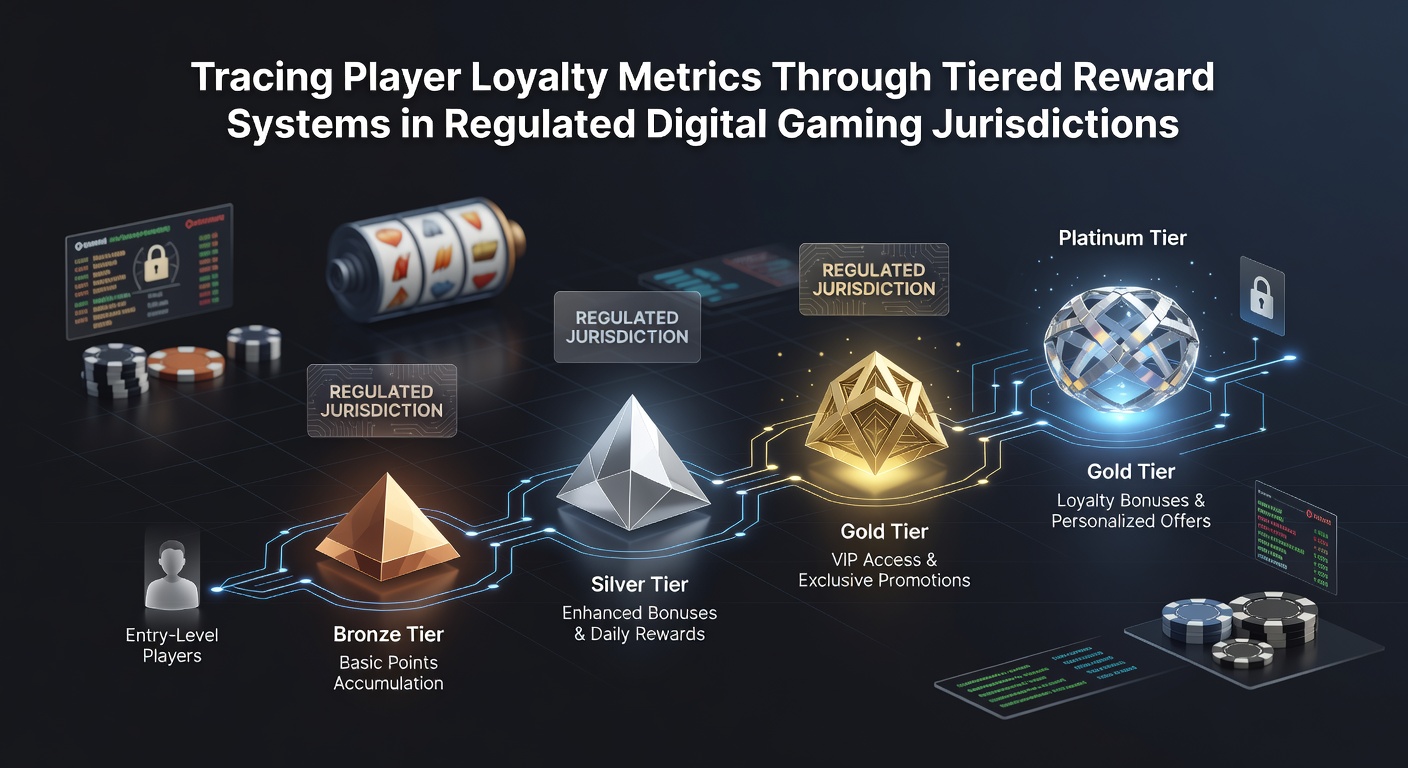
Regulated digital gaming jurisdictions track player loyalty through structured tiered reward systems that assign points based on wagering volume, session duration, and deposit frequency while operators segment users into progressive levels such as entry, intermediate, and premium tiers. These frameworks generate measurable data points including retention rates, average revenue per user, and churn indicators that regulators review during compliance audits.
Jurisdictions in North America and Europe require operators to log loyalty activity within secure databases that separate promotional credits from real-money balances, and this separation supports accurate reporting on player behavior across multiple platforms. Data from these logs reveals how players respond to escalating benefits at each tier, including cashback percentages that rise from 5 percent at lower levels to 15 percent or higher at top tiers.
Core Components of Tiered Systems
Operators award loyalty points through algorithms that calculate activity across games and betting markets, then convert those points into tier status after monthly or quarterly reviews. Players advance when they meet thresholds that combine total handle, number of active days, and sometimes cross-product engagement such as sports wagering alongside casino play. Systems automatically adjust benefits once a player reaches a new tier, granting access to exclusive events, faster withdrawal processing, and personalized account managers.
Research from academic institutions shows that tier progression correlates with increased session lengths because higher-level rewards create visible incentives that encourage continued participation. In Ontario's regulated market, for example, operators submit monthly reports that detail tier distribution and corresponding retention figures to the Alcohol and Gaming Commission of Ontario, allowing provincial authorities to monitor whether programs maintain responsible gaming standards.
Regulatory Requirements Across Jurisdictions
Regulators in New Jersey mandate that loyalty platforms integrate with central monitoring systems operated by the Division of Gaming Enforcement, which enables real-time verification of point calculations and prevents unauthorized manipulation of player accounts. Similar protocols exist in Pennsylvania and Michigan where statutes require annual audits of loyalty databases to confirm that reward tiers do not function as inducements that target individuals on self-exclusion lists.
Australian states apply comparable oversight through bodies such as the New South Wales Independent Liquor and Gaming Authority, where operators must demonstrate that tiered rewards include built-in responsible gaming prompts at each level advancement. These prompts appear as mandatory pop-ups that display session time and net position before unlocking new benefits. Data collected in these environments feeds into broader industry reports that track aggregate loyalty metrics across licensed operators.
Measurement Techniques and Data Outputs
Analysts calculate loyalty metrics by dividing active tiered players by total registered accounts to produce retention percentages that operators compare against industry benchmarks released quarterly. Lifetime value models incorporate tier-specific multipliers that assign higher projected revenue to premium players based on historical spend patterns observed over 12-month windows. These models rely on anonymized datasets that regulators permit for internal forecasting while prohibiting individual player identification in external publications.
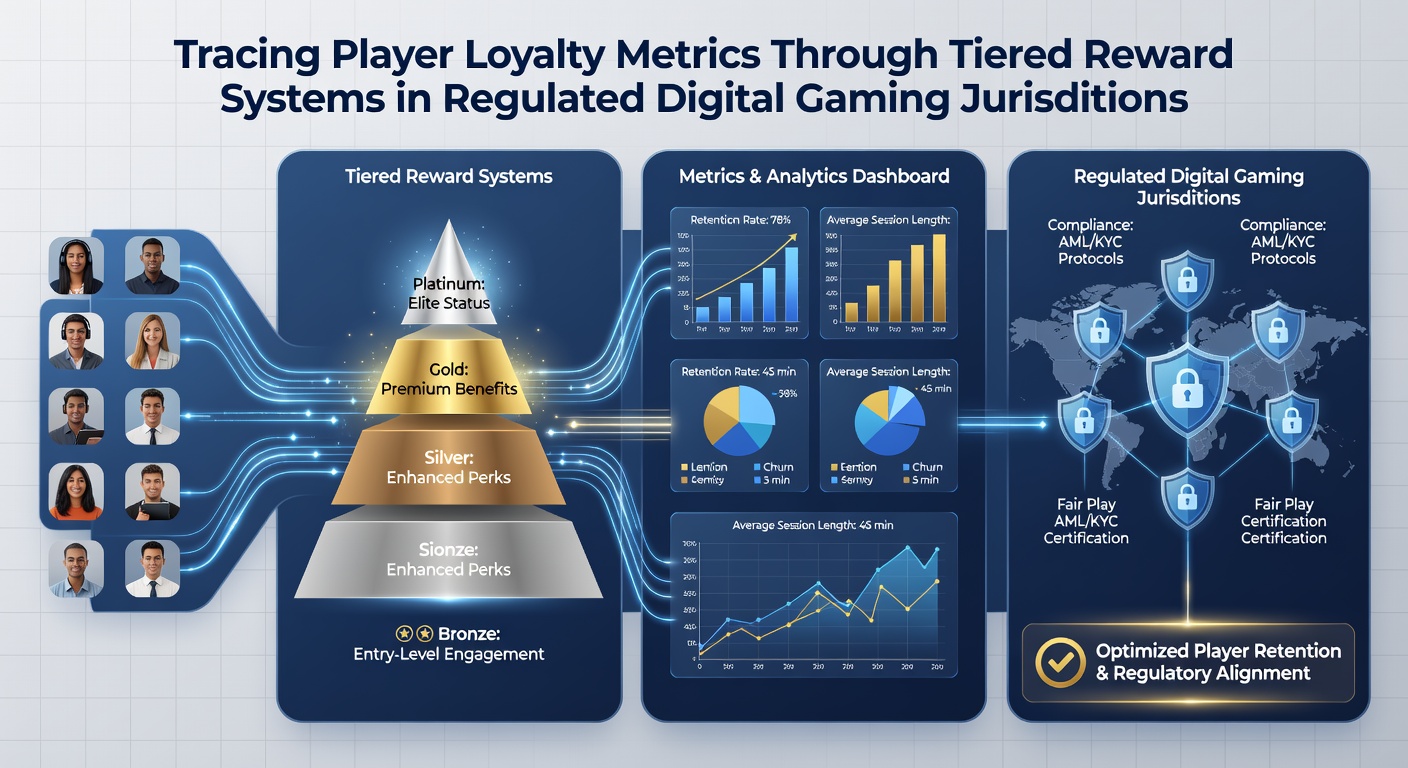
Figures released in June 2026 by several North American regulatory bodies indicated that players who reached intermediate tiers maintained accounts 28 percent longer than those who remained at entry levels during the preceding 18 months. The same datasets showed that premium-tier participants generated approximately 3.4 times the average revenue per user compared with base-tier accounts, although these outcomes vary by game category and jurisdictional tax structure.
Integration With Compliance and Responsible Gaming Tools
Tiered systems incorporate automated flags that pause reward accumulation when players exceed predefined loss thresholds or velocity limits established by each jurisdiction. In Malta, operators licensed by the Malta Gaming Authority must route these flags through independent testing laboratories that verify algorithmic fairness before deployment. The process ensures that loyalty tracking does not override player-set deposit or time limits configured within the same platform.
Industry associations such as the European Gaming and Betting Association publish guidelines that encourage operators to publish tier progression criteria openly so players understand advancement requirements without ambiguity. These guidelines also recommend periodic resets of point balances at the end of calendar years to prevent indefinite accumulation that could complicate regulatory reporting.
Conclusion
Tiered reward systems in regulated digital gaming jurisdictions produce structured datasets that link player activity directly to measurable loyalty outcomes while satisfying oversight requirements from multiple governmental and industry bodies. Operators continue to refine point allocation formulas and benefit structures to align with evolving compliance standards across North America, Europe, and Australia. The resulting metrics support both commercial planning and regulatory review without compromising player protection mechanisms embedded in each platform.