Transaction Security Standards Directing Player Preferences in Licensed Digital Casino and Sports Platforms
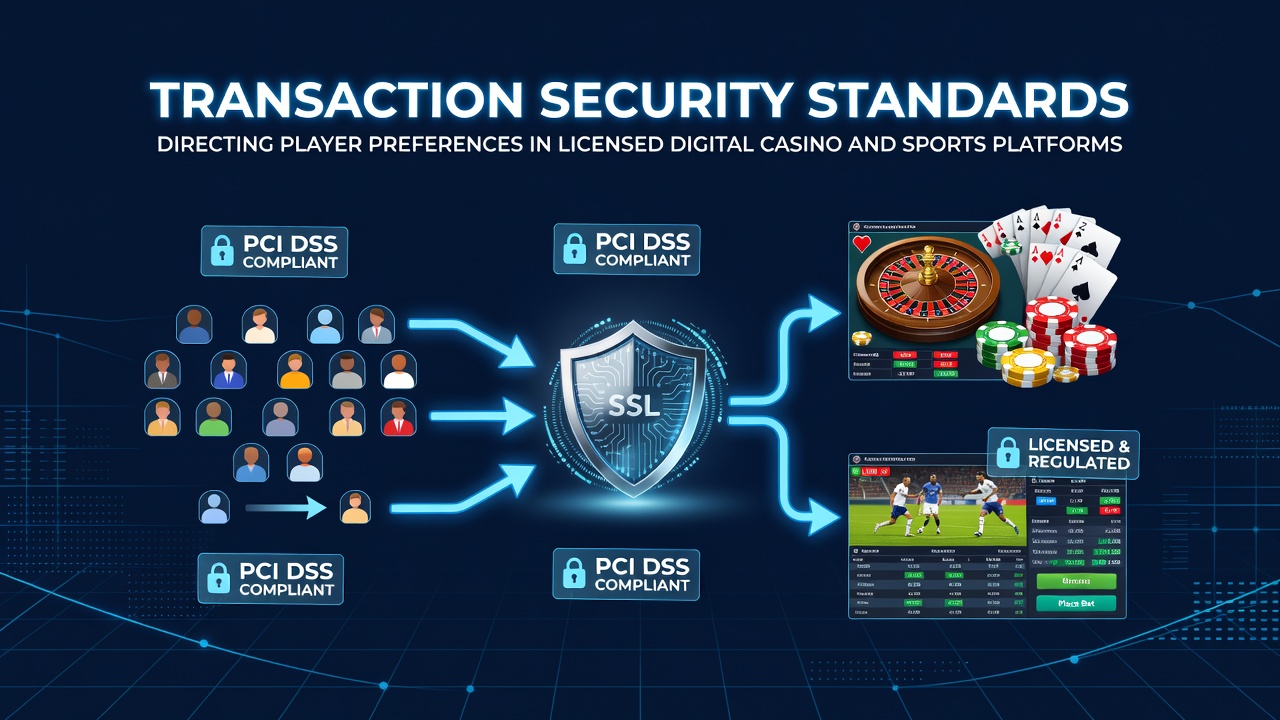
Transaction security standards have become central factors that guide how players select licensed digital casino and sports platforms, with operators investing heavily in compliance measures that meet international benchmarks like PCI DSS and emerging encryption protocols. Data from multiple regulatory bodies indicate that platforms displaying clear certifications for secure processing attract higher volumes of deposits and active accounts compared to those without visible safeguards. In July 2026 several jurisdictions updated their licensing requirements to mandate real-time fraud detection tools, and operators responded by integrating these features into user interfaces to maintain market position.
Core Standards Shaping Platform Operations
PCI DSS compliance forms the baseline for most licensed operators handling card transactions, while TLS 1.3 encryption and tokenization protect data during transfers across mobile and desktop sessions. Researchers at institutions tracking digital gaming note that these protocols reduce successful breach attempts by significant margins, and players respond by favoring sites that publish compliance badges and audit summaries. Multi-factor authentication requirements have expanded in recent years, with many platforms now combining device recognition and one-time codes to verify withdrawals.
Observers point out that standards bodies continue refining guidelines around biometric options such as fingerprint and facial recognition, and licensed platforms in North America and Europe have adopted these faster than non-regulated competitors. The shift creates measurable differences in user retention, because accounts protected by layered verification experience fewer interruptions from suspected fraud alerts. Figures released by the Nevada Gaming Control Board show steady growth in verified transaction volumes through platforms that exceed minimum security thresholds.
Regional Variations and Player Response Patterns
Platforms operating under Canadian provincial frameworks demonstrate strong uptake when they align with both federal privacy rules and provincial gaming authority audits, while Australian operators follow similar patterns under state-based oversight. Players in these markets often compare security certifications before depositing, and data indicates that accounts opened on fully compliant sites show longer average session durations. In contrast, regions with slower adoption of updated standards see more fragmented user behavior, with activity split across fewer dominant platforms.
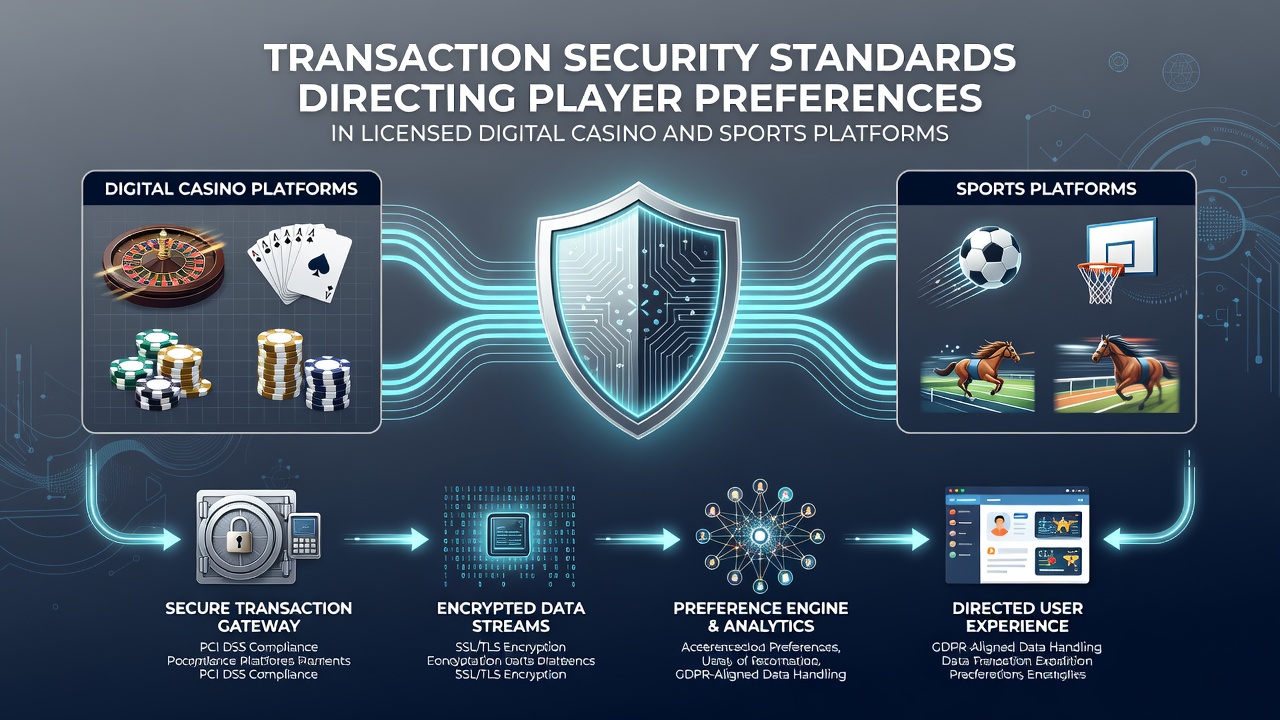
European markets present another layer of complexity because operators must satisfy both national licensing rules and broader data protection directives that influence how transaction logs are stored and shared. Those who've examined cross-border player flows find that individuals frequently migrate toward platforms advertising the strongest encryption and audit trails, especially when handling larger stakes on sports events. July 2026 brought additional clarity as several oversight bodies released joint guidance on real-time monitoring systems, prompting further upgrades across major operators.
Effects on Deposit and Withdrawal Choices
Transaction speed combined with visible security features influences deposit method selection, and studies from research organizations reveal that players rank certified e-wallets and card processors higher when platforms clearly label their compliance status. Withdrawal preferences follow similar lines, with users avoiding methods that lack independent verification steps even when fees appear lower. Licensed platforms that streamline these processes while maintaining audit trails report higher repeat activity, because users perceive reduced risk of delays or disputes.
Case examples tracked by industry analysts show one operator in a mid-sized U.S. state increased verified accounts by integrating additional tokenization layers during the first half of 2026, and similar patterns appear in other jurisdictions that aligned early with the July updates. Those patterns suggest that security transparency functions as a competitive differentiator rather than a background technical detail.
Future Alignment and Market Adjustments
Upcoming revisions to security frameworks are expected to emphasize continuous monitoring and AI-assisted anomaly detection, and operators have begun pilot programs to test these additions ahead of mandatory deadlines. Players continue to gravitate toward environments where transaction histories remain protected yet accessible for review, and this preference shows up consistently across demographic segments tracked in recent reports. The result is an ongoing cycle where standards evolve, platforms adapt, and user selection criteria shift accordingly.
Conclusion
Transaction security standards now serve as primary signals that licensed platforms use to differentiate themselves, and available data confirm that these measures directly correlate with player movement toward compliant operators. As jurisdictions refine requirements and technology advances, the connection between verifiable security and platform choice remains a consistent feature of the regulated digital gaming landscape.